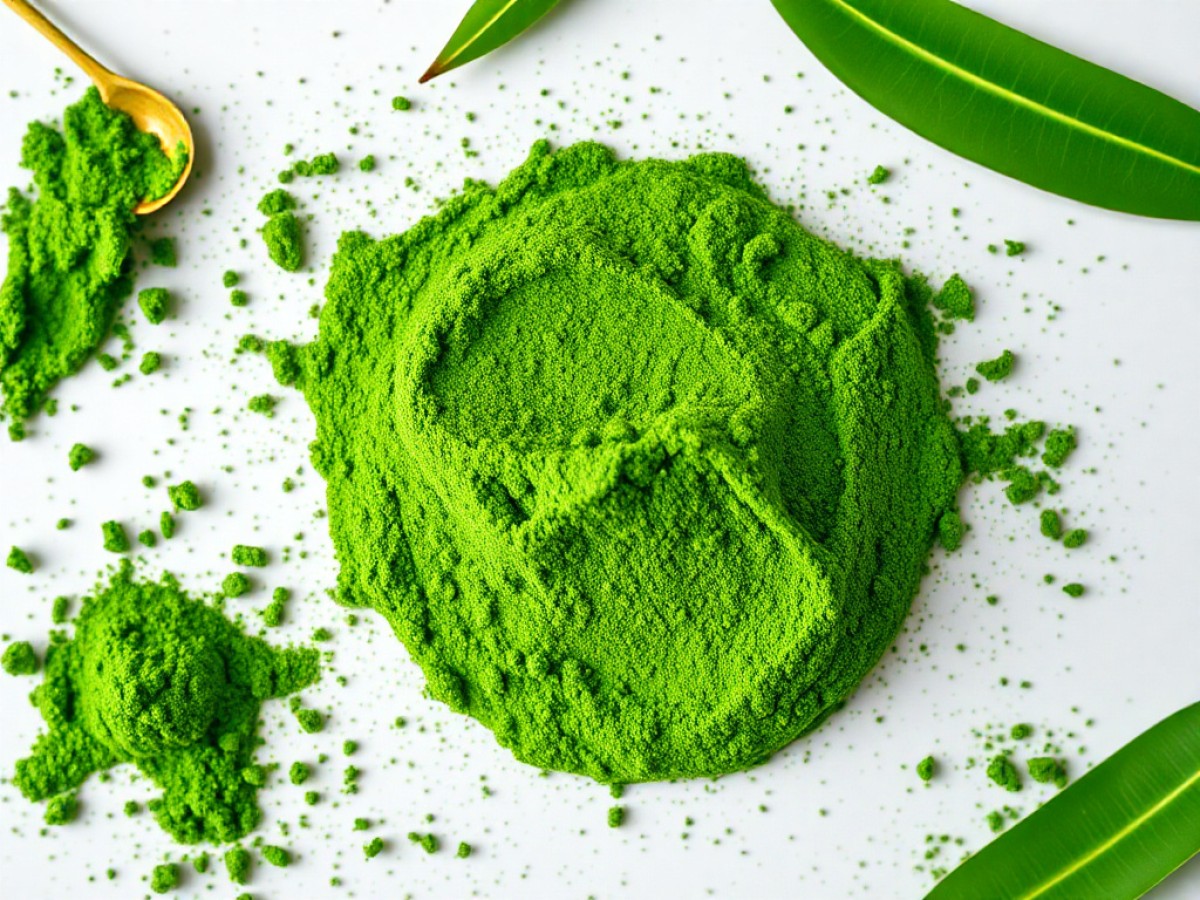
Unveiling the Green Powder Trend
In recent years, social media has been flooded with images of influencers starting their day by stirring dark green powders into glasses of water. These "greens" are touted not only as a replacement for vegetable servings but also as miraculous solutions for detoxifying the body, boosting energy, and eliminating bloating.
Work revolution: Google reveals 90% of professionals are already using AI daily – are you one of them?
Gigantic 400-meter structures discovered beneath Antarctic ice spark heated debate among scientists worldwide
What Exactly Are "Greens"?
These green powders are essentially dehydrated and ground mixes of various plant-based superfoods. The primary ingredients often include microscopic algae like spirulina or chlorella, cereal grasses such as young barley or wheat sprouts, concentrated green vegetables like spinach and broccoli, and sometimes even adaptogenic plant extracts, prebiotic fibers, and probiotic strains. Their main appeal lies in offering a quick, highly bioavailable concentration of micronutrients.
Evaluating Market Variations
The green powder market is sharply divided into premium and budget categories. Premium products generally use cold lyophilization techniques that preserve the vitamins and active enzymes of the plants. On the other hand, many budget brands opt for high-temperature drying methods that destroy much of the nutritional content, leaving behind mostly inert fibers and minimal real nutrients.
Scientific Perspective on Nutritional Density
High-quality green powders are rich in antioxidants, including pure chlorophyll, polyphenols, and alkalizing minerals. These compounds support liver detoxification processes and combat cellular oxidative stress. However, no powder can replicate the complete nutritional structure of fresh, whole vegetables. The grinding process disrupts the food matrix and alters the quality of vital insoluble fibers necessary for optimal digestion.
The Costly Mistake of Replacing Whole Vegetables
Using green powders as a justification to indulge in processed foods throughout the rest of the day is counterproductive for metabolic health. True intestinal health relies on the act of chewing and the diversity provided by actual vegetables. Moreover, the monthly expense of these powders can be quite steep, ranging from 40 to over 80 euros per container. This money could be better spent on fresh, organic vegetables from local farmers.
When Might Green Powders Be Justifiable?
Despite their shortcomings, green powders do have their place as a strategic supplement. They are particularly useful for frequent travelers, athletes who require more antioxidants, or individuals experiencing intense periods of stress who struggle to prepare nutritious meals. Think of these powders as a nutritional boost during hectic times, but not as the cornerstone of a diet.
Expert Insight
Léa Zubiria, a Dietitian Nutritionist, advises her patients that even the best green powder cannot offset poor sleep or high stress. If you enjoy your green morning ritual and it benefits your digestion, continue with pleasure. However, if purchasing this trendy product means sacrificing other quality foods, it’s better to revert to simpler, more nourishing practices like squeezing half a lemon into warm water and enjoying a vibrant plate of vegetables at lunch. This approach is both wallet-friendly and beneficial for your gut health.
Similar Posts
- Ube Latte Craze: Delicious Trend or Just Instagram Hype?
- Revolutionize Your Digestion: Dietitian Reveals Surprising Fruit Better Than Lemon or Ginger!
- 5 Famous Diet Foods That Could Halt Cancer: Are You Eating Them?
- Chronic Constipation Relief: Natural Mix Works in 24 Hours, Says Dietitian!
- Slash Your Blood Sugar Naturally: 8 Effective Remedies Revealed!

Doyle Renner writes about public health, medical advances, and everyday wellness. He brings complex topics to life to help readers take informed care of their health.