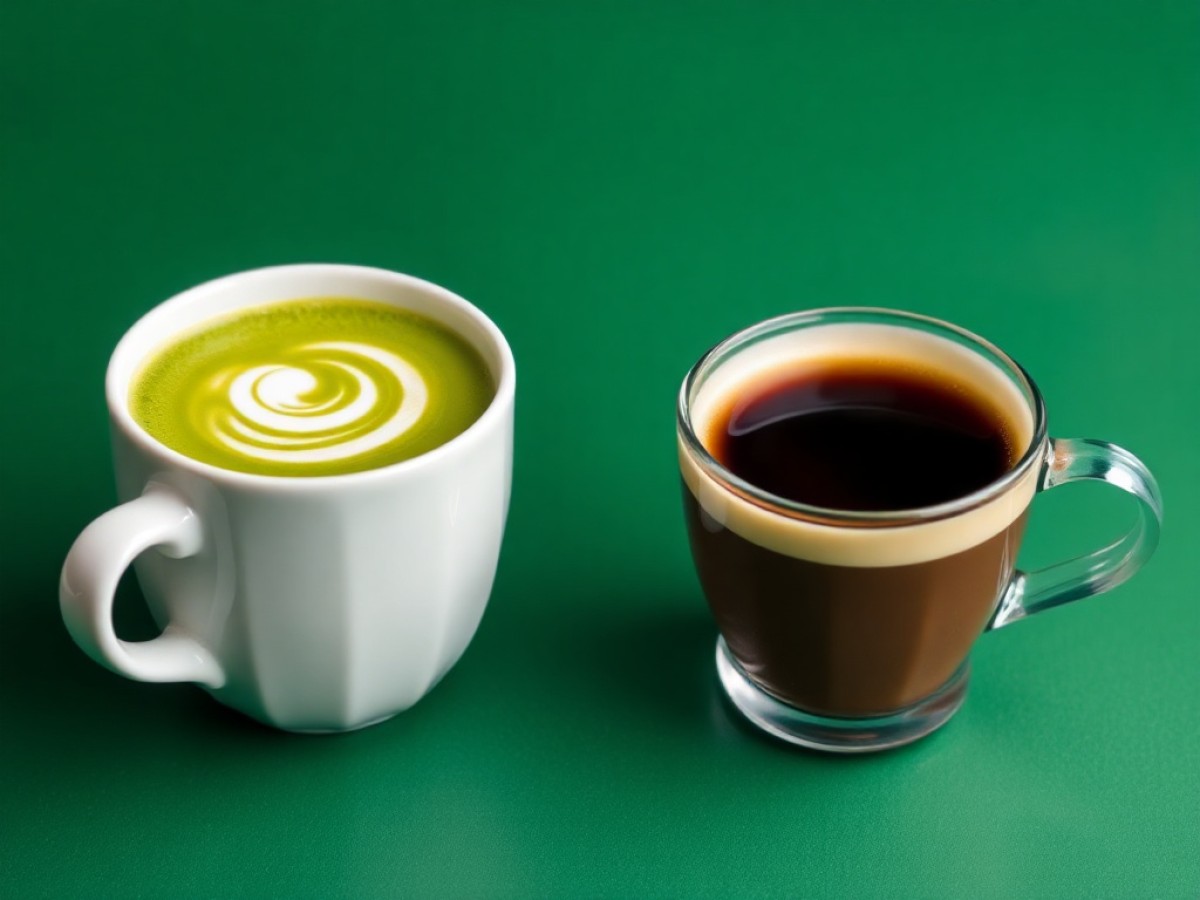
Caffeine Choices: Matcha vs. Coffee
When it comes to invigorating our mornings or pushing through the mid-afternoon slump, many of us naturally turn to caffeine. While black coffee continues to dominate as the go-to office drink, an increasing number of individuals, particularly women, are being charmed by the gentle vitality offered by the vibrant green powder of matcha tea. These two beverages, however, have distinctly different impacts on our nervous system.
Work revolution: Google reveals 90% of professionals are already using AI daily – are you one of them?
Gigantic 400-meter structures discovered beneath Antarctic ice spark heated debate among scientists worldwide
Decoding Coffee: A Quick Energy Fix
Coffee is globally one of the most extensively studied stimulants. Scientific investigations reveal that caffeine works by blocking adenosine receptors, which are responsible for feelings of tiredness. Consuming coffee can therefore lead to a rapid boost in alertness, enhance short-term memory, and increase dopamine secretion. Moreover, high-quality coffee is rich in polyphenols. These antioxidants play a crucial role in supporting long-term cardiovascular and cellular health.
The Sustained Release of Matcha
Unlike ordinary green tea, matcha involves consuming the whole ground leaf, offering a more potent health concoction. Clinical studies highlight its unique composition of caffeine combined with L-theanine, an amino acid that enhances brain function. L-theanine specifically boosts alpha waves in the brain, which are linked to deep relaxation. This synergy between caffeine and L-theanine in matcha notably heightens concentration and mental clarity without the jitteriness associated with other stimulants.
Comparing Energy Profiles: Immediate vs. Gradual
The primary distinction between coffee and matcha lies in the pace at which they release energy. The caffeine in coffee is immediately bioavailable, leading to a quick surge in energy typically peaking within thirty minutes. However, this spike is short-lived, often followed by a sharp decline that can leave one feeling depleted. On the other hand, the tannins in matcha slow down the absorption of caffeine, resulting in a gradual, steady release of energy that can last between four to six hours, avoiding the typical caffeine crash.
Choosing Based on Your Fatigue Type
For those experiencing temporary fatigue from a poor night’s sleep and in need of an immediate kick, a strong cup of filtered coffee might do the trick. However, for fatigue related to stress, mental strain, or nervousness, coffee might only exacerbate feelings of anxiety. In such cases, matcha is preferable as it enhances alertness while simultaneously calming internal stress, making it a better choice for those with sensitive stomachs or who experience acidity issues post-coffee.
Guidelines for Healthy Consumption
To maintain these drinks as allies in your health regimen, moderation is key. Health authorities suggest limiting caffeine intake to no more than 400 mg per day, equivalent to about three cups of coffee. To protect the quality of your deep sleep, it’s advised to have your last caffeinated drink by 3 PM. Additionally, consuming these beverages without added sugar can help maintain stable blood sugar levels and preserve the antioxidant benefits.
Both coffee and matcha serve as excellent tools for vitality, tailored to meet different needs. Coffee provides an immediate energy boost, whereas matcha offers a calm and sustained focus. Learning to choose between them based on your specific conditions is a strategic way to support your daily energy levels while caring for your nervous system’s delicate balance.
Similar Posts
- Ube Latte Craze: Delicious Trend or Just Instagram Hype?
- Ginger Magic: 5 Healthy Drink Recipes Packed with Benefits!
- Ginger Magic: 5 Easy-to-Make Healthy Drinks You Can Whip Up at Home!
- 5 Natural Remedies to Beat Fatigue: Boost Your Energy Now!
- Are Adaptogenic Mushroom Drinks Safe? Shocking Findings from a 60 Million Consumers Investigation

Doyle Renner writes about public health, medical advances, and everyday wellness. He brings complex topics to life to help readers take informed care of their health.