A Cinematic Time Capsule: “No Picnic” Returns
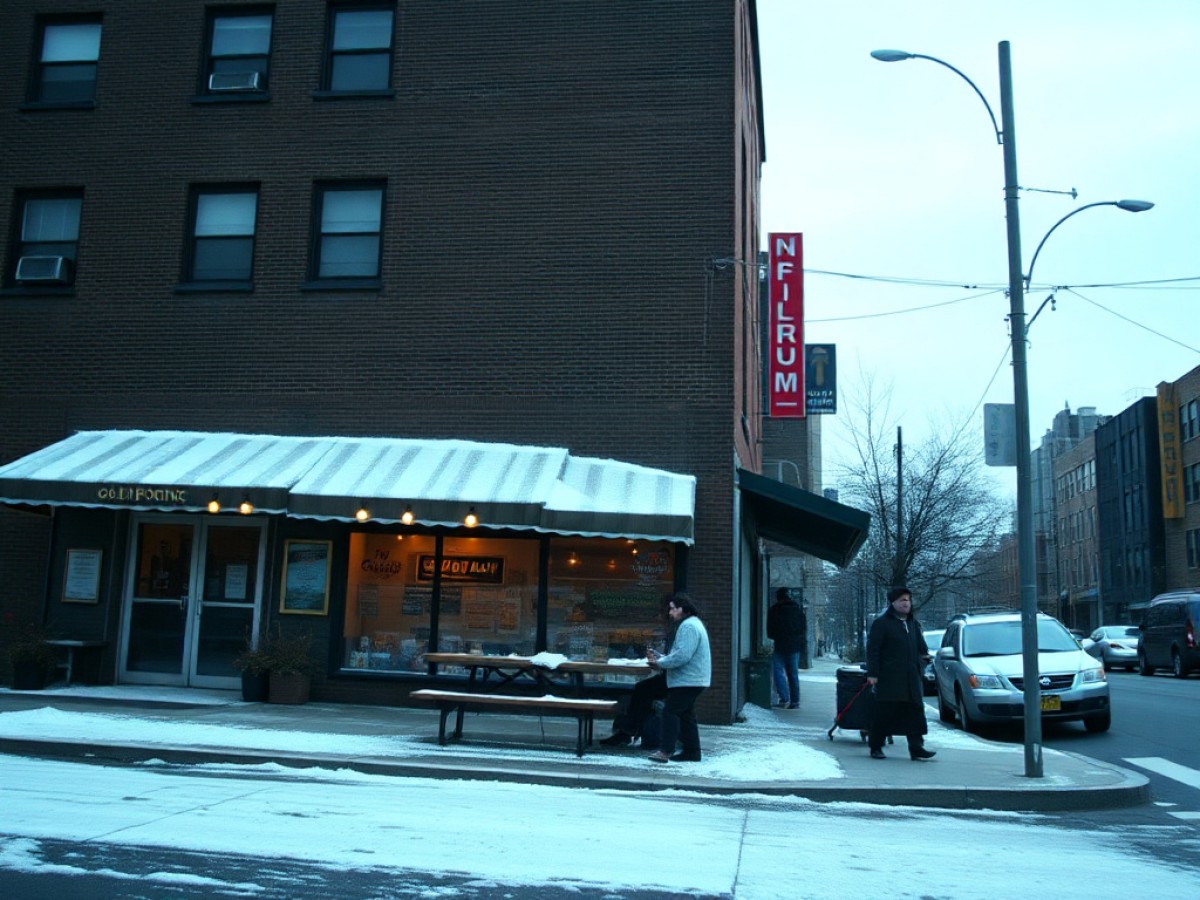
In April, cinephiles and enthusiasts of New York’s cultural history are in for a treat as the Film Forum showcases the 4K restoration of “No Picnic”. Originally debuting in 1987 and clinching the Sundance Cinematography prize, this film is a slice of the vibrant, gritty life in New York’s Lower East Side during the 1980s, offering a unique window into a world that has since transformed.
Work revolution: Google reveals 90% of professionals are already using AI daily – are you one of them?
Gigantic 400-meter structures discovered beneath Antarctic ice spark heated debate among scientists worldwide
Background and Genesis of “No Picnic”
“No Picnic” was born out of the creative vision of Philip Hartman, known not just for his filmography but also as the co-founder of Two Boots Pizza, a culinary landmark in downtown New York. Hartman, who also owned The Great Jones Cafe, funneled his earnings into crafting this film in the summer of 1985. With backing from Wim Wenders’ Grey City as executive producers, the film navigated financial hurdles, leading to the establishment of Two Boots Pizza to fund post-production efforts.
The film encapsulates the essence of a bygone era, characterized by independent filmmaking and a burgeoning punk-rock scene. It dives into the life of Macabee Cohn, a former rock musician turned jukebox filler, portrayed amidst a backdrop of street poets and punkabillys. His journey through love, self-discovery, and urban change is emblematic of the broader shifts happening in the East Village during that period.
The Cast and Crew
“No Picnic” features a robust ensemble including David Brisbin, Richard Hell, Steve Buscemi, and Luis Guzmán. These actors bring to life the complex, vibrant characters that populate Hartman’s vision of the Lower East Side. Behind the scenes, Wenders’ editor Peter Pryzgodda and assistant sound editor Christine Vachon were pivotal in bringing the cinematic vision to completion.
Legacy and Restoration
The restoration of “No Picnic” by The Film Desk is a preservation of cultural memory. Hartman himself noted the rapid changes in the East Village landscape during filming, with many locations depicted in the film having vanished or altered beyond recognition in the decades since. This restored version allows new audiences to experience a neighborhood in flux and provides older generations a nostalgic glimpse into their past surroundings.
The week-long screening at Film Forum from April 17 to 23 is not just a revival but a celebration of New York City’s dynamic history, its enduring influence on art and culture, and the timeless relevance of storytelling through film. This event promises to draw both those who remember the old East Village and those who have only heard tales of its legendary past.
Similar Posts
- Lower East Side Film Festival: Celebrating 25 Years of ‘Ghost World’ & More!
- NYC Film Forum Union Outraged by Roman Polanski’s Film: Calls ‘An Officer and a Spy’ Screening Disturbing
- Unseen Schatzberg & Pinter Film ‘Reunion’ Hits Theaters: Watch the Trailer Now!
- John Woo’s ‘The Killer’ Returns in Stunning 4K: Watch the Bold New Trailer Now!
- Rooftop Films 2026 Unveils Epic Summer Series: ‘Tuner,’ ‘Sour Minnows,’ & More Shorts!

Claude Merritt explores the world of entertainment with a keen eye. From music to film, TV series, and popular culture, he covers celebrity news and American cultural trends with a lively and critical approach.