A Controversial Premiere at New York City’s Film Forum
New York City’s Film Forum has recently made headlines for its decision to screen Roman Polanski’s film “An Officer and a Spy,” which details the historical Dreyfus Affair. The film, which received the Grand Jury Prize at the Venice Film Festival in 2019, has its U.S. premiere scheduled for August 8, despite the longstanding controversy surrounding its director.
Work revolution: Google reveals 90% of professionals are already using AI daily – are you one of them?
Gigantic 400-meter structures discovered beneath Antarctic ice spark heated debate among scientists worldwide
Polanski, who fled the United States following a guilty plea to a charge of sexual assault, has been a figure of significant dispute. Despite this, “An Officer and a Spy” marks his first film to be shown in the U.S. since 2017’s “Based on a True Story.” The director’s recent works, including 2023’s “The Palace,” have premiered at international venues like Venice but have seen limited distribution stateside.
Union and Management Responses
Local 2110 UAW, the union representing workers at Film Forum, expressed their disapproval through a detailed statement on social media platform X. They criticized the decision to screen the film, suggesting that it undermines the severity of the accusations against Polanski and accusing the theater of normalizing abuse. The statement emphasized the need for ethical responsibility in film programming, asserting that the choice to screen Polanski’s film betrays both the staff’s and the public’s trust in the institution.
On the other hand, Film Forum management responded by highlighting their respect for diverse opinions and the complexity of presenting works by controversial artists. They noted that they had engaged with their staff well before the film’s premiere, aiming to foster an environment of transparency and dialogue.
The Film’s Content and Background
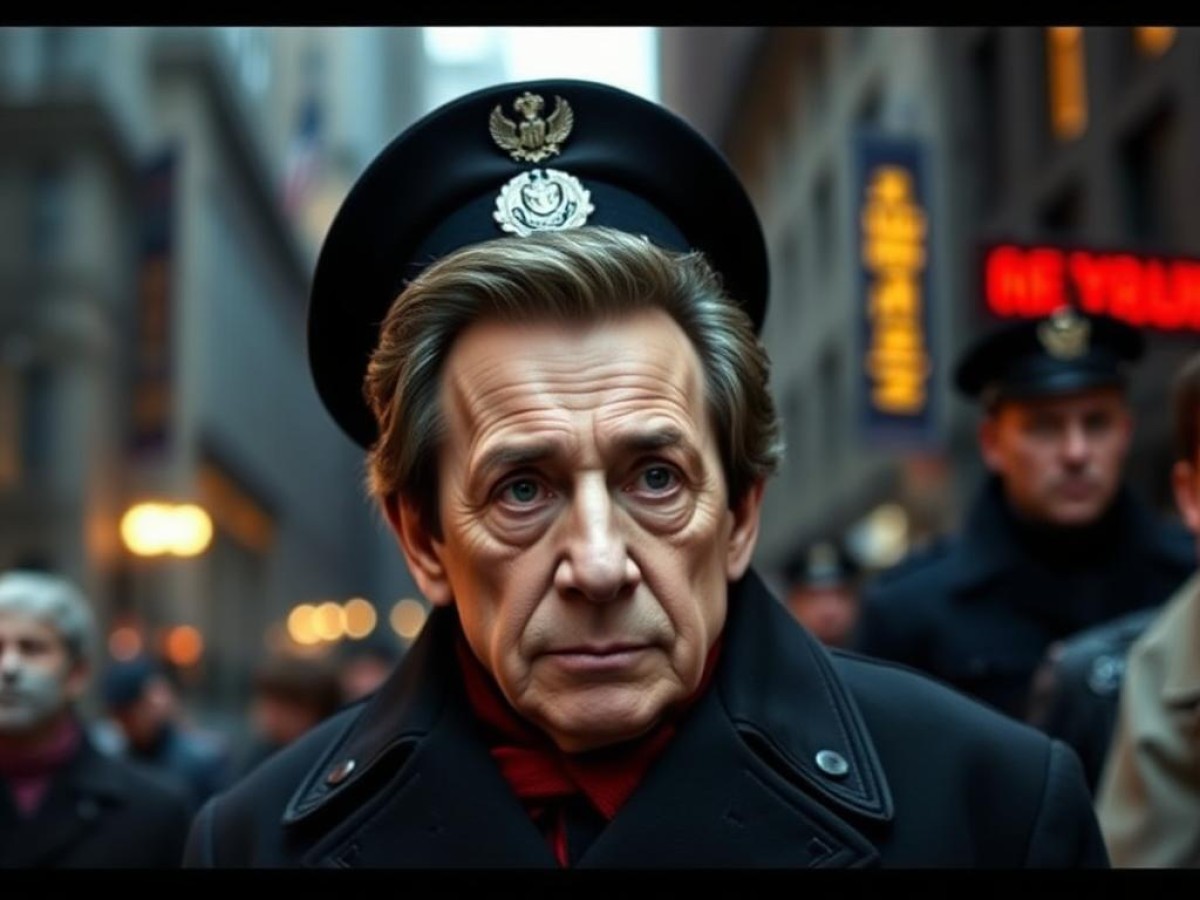
“An Officer and a Spy” stars Louis Garrel as Captain Alfred Dreyfus, a French army officer wrongfully convicted of treason in the late 19th century, largely due to his Jewish background. Jean Dujardin plays Georges Picquart, the counter-espionage officer who plays a pivotal role in uncovering the truth about Dreyfus’ case. Polanski has publicly drawn parallels between the persecution of Dreyfus and his own experiences, stating that the film was inspired by his personal insights into the “apparatus of persecution.”
The film’s reception has been mixed, with nominations at various European awards but a general hesitance among U.S. distributors, largely due to the director’s controversial past. The union has criticized the timing of the screening, calling it a “dangerous precedent” and demanding that future programming decisions reject works by individuals accused of sexual and sexist violence.
As the debate continues, both the Film Forum and its audience are confronted with the complex interplay between an artist’s personal conduct and their artistic contributions. The discussion reflects broader industry and societal challenges in reconciling these aspects, especially in cases involving serious allegations of misconduct.
Similar Posts
- East Village’s Gritty 1980s Revived in Stunning 4K: Cult Classic Returns at Film Forum
- Unseen Schatzberg & Pinter Film ‘Reunion’ Hits Theaters: Watch the Trailer Now!
- Emma Stone Goes Bald for ‘Bugonia’: Find Out Why It Terrified Her!
- Join IndieWire in Venice: Last Chance to Experience the Magic!
- Ken Russell’s ‘The Devils’ Set to Scandalize NYFF: Restored Classic Shocks After Cannes, TIFF Debuts

Claude Merritt explores the world of entertainment with a keen eye. From music to film, TV series, and popular culture, he covers celebrity news and American cultural trends with a lively and critical approach.