Work revolution: Google reveals 90% of professionals are already using AI daily – are you one of them?
Gigantic 400-meter structures discovered beneath Antarctic ice spark heated debate among scientists worldwide
The importance of free navigation is highlighted by the current situation in the Strait of Hormuz. The Indo-Pacific region, too, has crucial shipping routes where Defense Minister Pistorius recently sought to bolster Germany’s role.
Enhancing Military and Technological Collaborations
A YouTuber bought a Bugatti on TEMU expecting luxury… but the unboxing went terribly wrong
Colonizing Mars is no longer a dream: Elon Musk unveils a historic deadline that will change everything
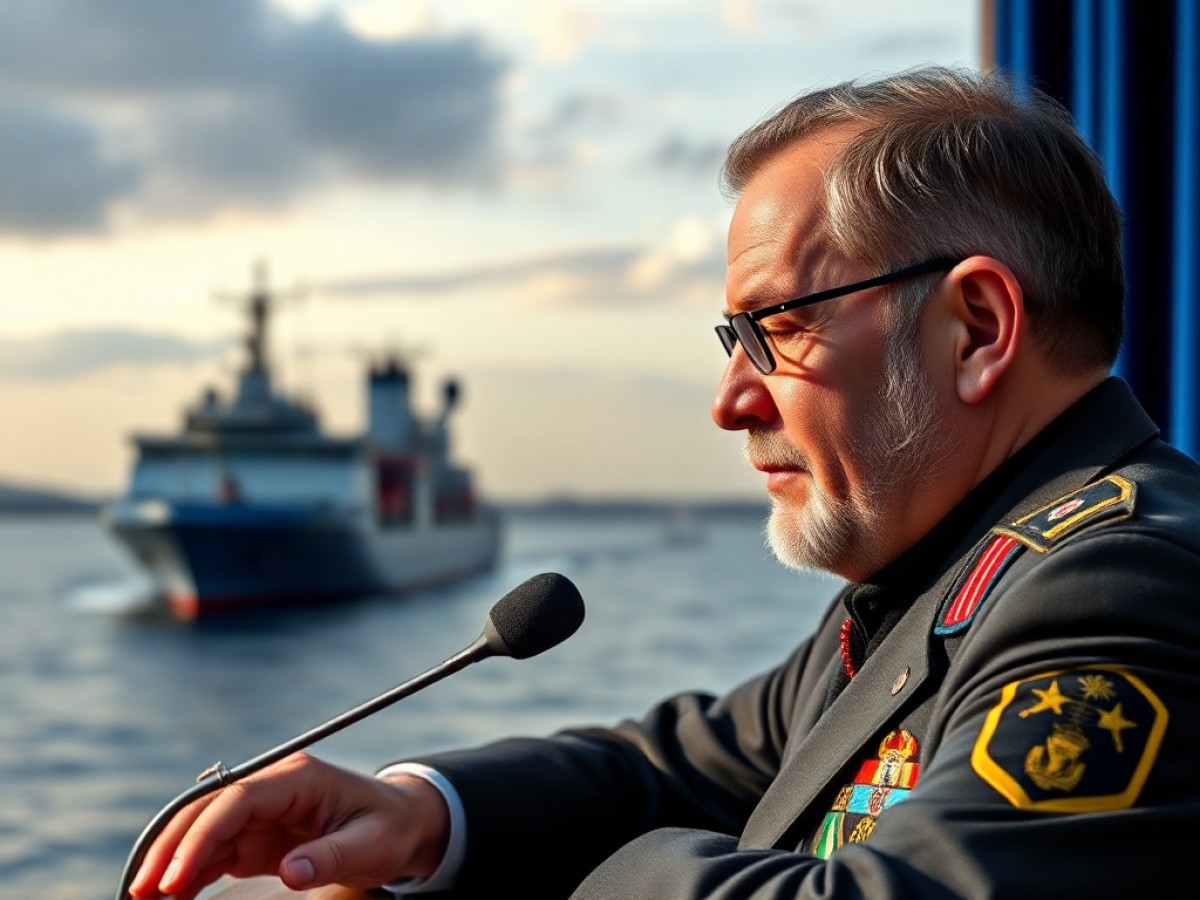
During his journey through the Indo-Pacific, Defense Minister Boris Pistorius focused on submarines, drones, and space technology, aiming to forge new security partnerships with like-minded nations. Speaking to the ARD Studio in Singapore, Pistorius emphasized the global impact of regional activities on Europe.
Addressing Regional Challenges
While in the region, Pistorius clarified that Germany’s commitment was not about obliging itself to military assistance in the event of conflict but rather about demonstrating deterrence and unity. This stance comes in response to China’s increasingly assertive behavior in the area, which includes several vital maritime paths.
Germany’s Expanding Influence
Karthik Nachiappan, a political scientist from the National University of Singapore, acknowledged the appreciation for Germany’s growing involvement in the Indo-Pacific. Although Germany is not seen as a major military power, it exerts significant influence in setting rules and enhancing the region’s economic resilience. This is beneficial for both sides, who are currently seeking to establish or deepen partnerships due to the changing security dynamics.
Strengthening Defense Cooperation
Germany and Australia are set to enhance their military cooperation further. Pistorius and his Australian counterpart, Richard Marles, signed a troop statute facilitating the deployment of soldiers in each other’s countries. They also plan to develop a space-based early warning system. Germany aims to launch surveillance sensors into space from Australia to prevent potential blindness in space, given the increasing number of satellites from Russia, China, and the USA.
In terms of defense manufacturing, the cooperation includes an advanced Australian laser weapon capable of destroying drones over distances ranging from 50 meters to three kilometers. Additionally, German defense company Rheinmetall is expanding its operations in Australia to include the construction and maintenance of military vehicles and systems.
Building a Maintenance Hub in Singapore
In Singapore, the Kiel-based submarine manufacturer TKMS plans to open a center for maintaining German submarines, strategically located within the Indo-Pacific and outside NATO territory. This facility could also serve other partner nations that operate German submarines.
Investing in Space
Over the next five years, Pistorius plans to invest 35 billion euros in space technology, aiming to secure Germany’s position against emerging space powers.
Australia marked the final stop on Minister Pistorius’ tour, following visits to Japan and Singapore.
More Than Just an External Actor
According to Nachiappan, Germany is increasingly seen as more than just an external player in the Indo-Pacific. It cannot remain detached from the region’s problems while benefiting from its advantages, particularly in trade, investment, and technology. For Pistorius, reliability is becoming increasingly vital in an ever-unpredictable global landscape, especially for nations that are not superpowers.
Despite geographical distances, Germany and the Indo-Pacific countries are currently united by shared concerns, bringing them closer together.
Similar Posts
- Oscar Pistorius Makes Surprising Visit to Japan: What’s Behind the Trip?
- Pistorius Promotes Submarines on Canadian Tour: A Strategic Dive into Defense
- NATO Launches “Arctic Sentry” Mission: A Bold Move into Arctic Surveillance
- USA Approves Missile Sales for German F-35 Jets: Boosting NATO Defense Capabilities
- Klingbeil’s Concerns Meet China’s Promises: A Deep Dive into Diplomatic Assurances

Lowell Hagan closely follows international affairs. From geopolitical conflicts to economic cooperation, he provides context to help readers better understand global dynamics. His clear, structured style gives meaning to global news.