Work revolution: Google reveals 90% of professionals are already using AI daily – are you one of them?
Gigantic 400-meter structures discovered beneath Antarctic ice spark heated debate among scientists worldwide
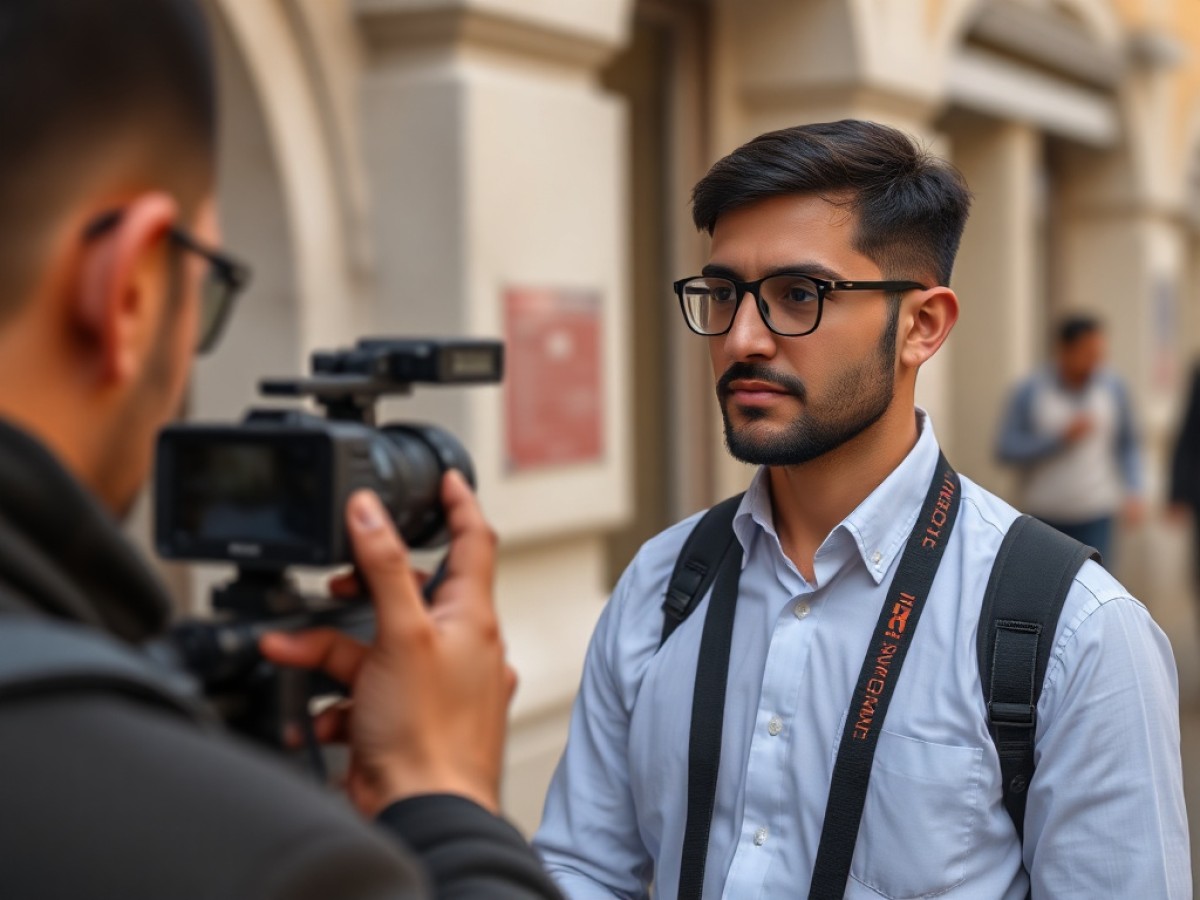
Reporting from Iran presents unique challenges due to the restrictive nature of its regime, especially for foreign correspondents. Journalists often operate under the constant surveillance and scrutiny of the authorities, facing a myriad of obstacles that range from entry bans to direct threats and even detentions.
The Realities of Journalism in Iran
For nearly a decade, I served as an ARD correspondent in Iran. Each entry into the country was met with anxiety, knowing that at any moment, I could be detained or interrogated. My team, though small, was always on standby, prepared for any situation. Together, we meticulously planned how to craft reports that could navigate the strict media landscape without leading to the closure of our bureau.
Our experiences varied greatly over the years, largely dependent on the government’s level of paranoia at any given time. I have faced interrogations by the secret police, had my passport confiscated, and was even barred from leaving the country. My team and I were constantly monitored, our communications were intercepted, and our movements were tracked.
The unpredictability of our working conditions was exemplified during the 2009 Green Movement. After just two days of protests, we received a fax prohibiting us from reporting on the streets, effectively silencing our on-ground presence.
Viewed as Enemies of the State
In the eyes of Iran’s government, Western journalists are seldom seen as neutral or objective. We are often portrayed as agents of foreign powers intent on destabilizing the state. This perception subjects us to significant risks and challenges, as we are openly accused of inciting unrest and supporting opposition movements.
Journalists are routinely denied access to press conferences or public events if their previous reports have displeased the authorities. This has led to a bizarre paradox where those tasked with disseminating truth are marked as conspirators.
Acts of Courage
Despite these adversities, many Iranians still seek to share their stories with the world, viewing interactions with Western media as a vital link to the global community. Every interview conducted within Iran’s borders is a substantial risk for the interviewees, often carried out in secret and with the constant threat of retribution.
These acts of bravery are not just newsworthy stories; they are poignant reminders of the human desire for freedom and truth. The risks taken by both journalists and their sources are immense, often involving a complex network of trust and covert operations just to share a glimpse of reality with the outside world.
A YouTuber bought a Bugatti on TEMU expecting luxury… but the unboxing went terribly wrong
Colonizing Mars is no longer a dream: Elon Musk unveils a historic deadline that will change everything
The Complexity of Narratives
Amidst the recent turmoil, accusations have emerged suggesting that some stories filed by journalists are fabricated by the regime. One such story is that of Sepideh, a woman who defied state norms by appearing without a hijab and living with her boyfriend. Critics claim that her story, which includes visible elements of a ‘Westernized’ lifestyle like pets and musical instruments, could be a state-staged narrative to mislead viewers.
However, these claims often ignore the nuanced realities of life in Iran, where many, especially in urban areas, quietly resist state mandates. The presence of a dog, a guitar, or a bare head in a household does not necessarily align with government propaganda but rather signifies subtle forms of everyday resistance that have become increasingly common.
The challenges faced by journalists in Iran are profound, impacting not only their professional duties but also their personal safety and ethical responsibilities. Each report, each broadcast, and each article is a testament to the resilience and determination of those who strive to ensure that the truth prevails in even the most oppressive conditions.
Similar Posts
- Gaza Genocide Exposed: Journalist Plestia’s Crucial Real-Time Documentation
- Israel Assassinates Al Jazeera Journalist Anas Al-Sharif: Tensions Escalate
- Government Warns Protesters: Severe Charges Ahead
- Breaking News: Mohammadi Arrested Again: Details Inside
- Exposed: Israel’s Top 10 Gaza Lies Debunked! Discover the Truth Now

Lowell Hagan closely follows international affairs. From geopolitical conflicts to economic cooperation, he provides context to help readers better understand global dynamics. His clear, structured style gives meaning to global news.