Exploring the World of Smart Home Systems: A Detailed Review
In today’s era of technology, smart home systems are designed to simplify day-to-day tasks by automating them. These systems can manage anything from adjusting blinds at dawn and dusk, turning lights on or off, to starting washing machines or dishwashers when solar power is available or electricity is cheaper. However, a recent evaluation by Stiftung Warentest reveals that out of 14 smart home systems tested, only four perform these tasks effectively.
Work revolution: Google reveals 90% of professionals are already using AI daily – are you one of them?
Gigantic 400-meter structures discovered beneath Antarctic ice spark heated debate among scientists worldwide
The Mixed Bag of Smart Home Performances
During their assessment, Stiftung Warentest found a significant variance in the performance and usability of these systems. Among the standout features, one system was notably easy to use, while another was praised for its minimal data usage. Additionally, two systems were highlighted for their extensive compatibility with various devices. On the flip side, three systems were criticized for their susceptibility to disruptions. For instance, solutions from two major US brands failed to function without an internet connection, leaving users literally in the dark. Conversely, three systems demonstrated full functionality even while offline, showcasing the possibility of robust performance without constant internet dependency.
Florian Ostermann, an engineer and smart technology expert at Stiftung Warentest, emphasized the importance of potential buyers carefully considering their specific needs before making a purchase, as no system perfectly meets all expectations.
Highs and Lows Among Top Brands
When it comes to the big names in the smart home market, the results were mixed. Samsung Smart Things, priced at 98 Euros, performed well with an overall score of 2.4, placing it among the top three systems tested. However, its response to system interruptions was rated as merely adequate by the testers.
Challenges with Router-Integrated Systems
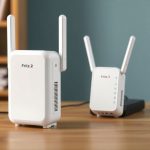
The study also looked into smart home systems integrated within routers and found them lacking in several areas. Specifically, the AVM Fritz Smart Home, using a Fritzbox 7690 priced at 298 Euros, was criticized for its complex setup and operation. It also scored low in terms of compatibility with other manufacturers’ devices, although it was noted for offering the best protection of personal data among the systems tested.
Notable Performers in the Test
Among the top performers, the Homey system stood out for its ease of setup and operation, although it comes with a hefty price tag of nearly 400 Euros. Despite its high cost, Homey was not without its flaws, particularly in basic personal data protection, which did not impress the reviewers.
Concluding Insights
Stiftung Warentest’s thorough examination of 14 smart home systems highlights the varied capabilities and limitations of these modern technological conveniences. With only four systems rated as "good," it’s clear that there is much room for improvement in the market. Consumers are advised to weigh their options carefully, considering both the advantages and drawbacks of each system, to find the best fit for their home automation needs.
Similar Posts
- Top-Rated Tablets: Discover the Best New Models According to Warentest!
- Smart Rings Review: Not All That Glitters is Gold!
- Affordable Power Tools Triumph: Best Budget Cordless Drills Pass the Test!
- Top-Quality TVs Available From Just €300: Discover Budget-Friendly Viewing Excellence!
- Only One Gaming Controller Rated ‘Excellent’: Find Out Which Tops the List!

Ned Winslow is passionate about technological innovations. He writes about AI, cybersecurity, startups, and big tech companies. He makes technology understandable for everyone, with a critical eye on its impacts.