Work revolution: Google reveals 90% of professionals are already using AI daily – are you one of them?
Gigantic 400-meter structures discovered beneath Antarctic ice spark heated debate among scientists worldwide
From rising numbers of children missing out on schooling to Germany’s lagging behind in educational equity, a recent UNESCO report unpacks multiple global educational challenges.
Exploring the Global Education Challenge
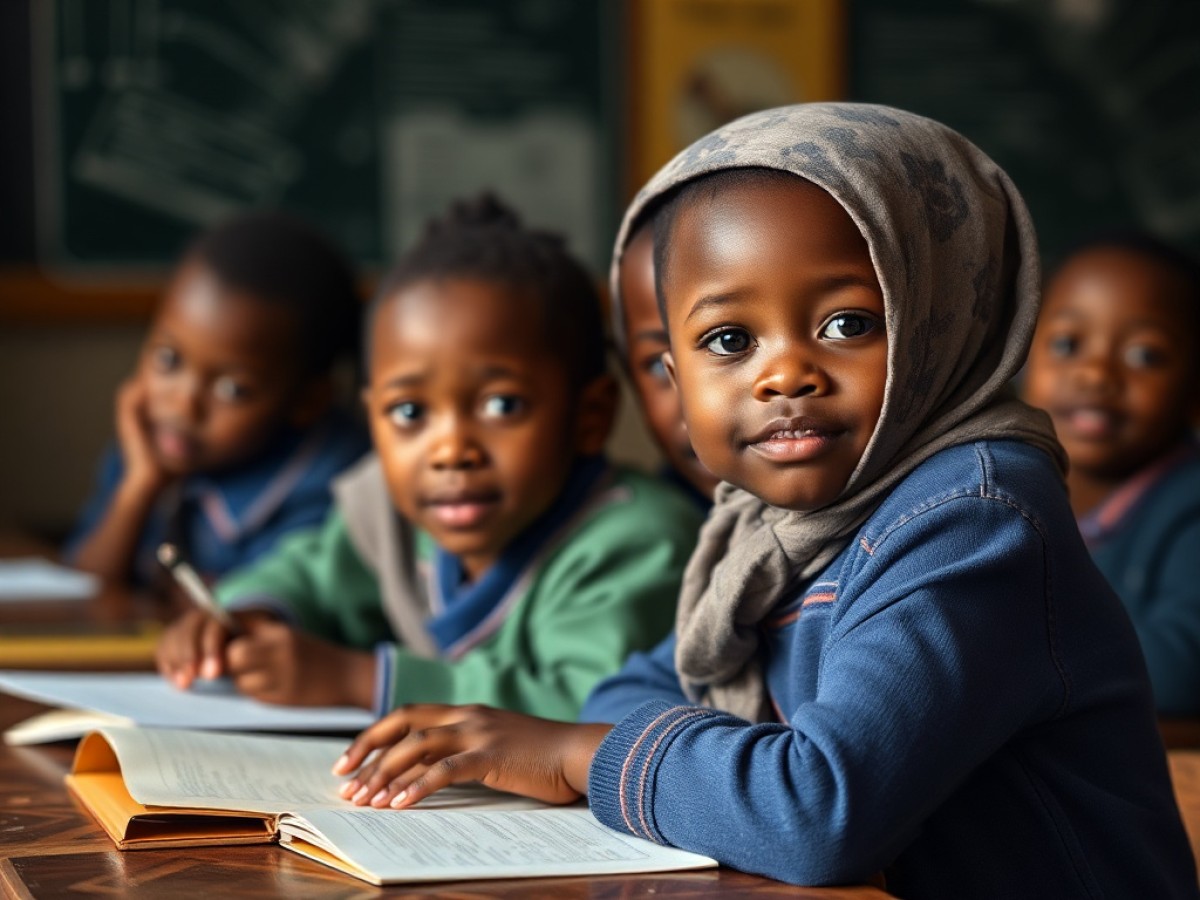
In a startling revelation by UNESCO, it has been found that the number of children and adolescents worldwide who do not attend school has climbed for the seventh consecutive year. An estimated 273 million young individuals globally were not in school as of 2024, indicating a persistent upward trend in educational exclusion.
This increase is particularly pronounced in regions engulfed in conflict. More than one in six children live in conflict-affected areas, where strife has led to widespread closure of educational institutions, especially in the Middle East and surrounding regions.
Moreover, the UNESCO report highlights that only two-thirds of adolescents globally are able to complete secondary education. The barriers to education are multifaceted, involving economic constraints, population growth, and ongoing crises, which collectively hinder access to schooling.
Disparities and Responses
The situation is grim in Sub-Saharan Africa, where rapid population growth exacerbates the educational challenges. UNESCO’s Director, Khaled El-Enany, describes the scenario as ‘disturbing,’ pointing out that the surge in population significantly strains educational resources and infrastructure.
A YouTuber bought a Bugatti on TEMU expecting luxury… but the unboxing went terribly wrong
Colonizing Mars is no longer a dream: Elon Musk unveils a historic deadline that will change everything
In regions where schooling is scarce, measures such as compulsory education and laws against child labor have shown some effectiveness. However, UNESCO stresses that there is no one-size-fits-all solution; local conditions must be considered to foster educational access and equity. It has been observed that providing school meals and ensuring electricity can extend the duration of schooling among children and adolescents.
Signs of Progress Amidst the Challenge
Despite these daunting figures, there are glimmers of hope as global enrollment in primary and secondary education shows significant gains. By 2024, the number of students enrolled worldwide reached 1.4 billion, marking a 30% increase since the year 2000.
Some countries have made remarkable strides. For instance, Madagascar and Togo have seen an 80% reduction in the number of children out of school since 2000. Similar positive trends are observed in Morocco and Vietnam for youth and in Ivory Coast, Turkey, and Georgia where dropout rates have plummeted.
Educational Equity: A Stumbling Block for Germany
Turning to Germany, the UNESCO report paints a less favorable picture. Germany trails behind other European nations in terms of educational equity. The disparity is stark: while nearly four out of five children from affluent backgrounds receive recommendations for Gymnasium (higher secondary education), less than one in three children from disadvantaged backgrounds receive the same.
Maria Böhmer, President of the German Commission for UNESCO, calls the report a ‘wake-up call,’ emphasizing the need to eliminate disparities early and allocate public funds where they are most needed to support those at greatest risk.
The report also notes that students with migrant backgrounds are disproportionately represented in vocational training in Germany, and that systemic reforms aimed at supporting disadvantaged groups are slowly being introduced.
Furthermore, the report criticizes the early tracking of students into different educational paths around the age of ten, heavily influenced by the socio-economic status of their parents, which often dictates the educational opportunities available to them.
Socioeconomic Status and Educational Opportunities
The connection between parental income and educational opportunities remains a significant barrier. Seventeen percent of children from disadvantaged backgrounds who receive a Gymnasium recommendation choose not to pursue this educational path. In contrast, children from wealthier families are more likely to switch to a Gymnasium later, even if they initially attended a different school type.
This disparity underscores the need for policies that do not merely open doors to education but also ensure that once inside, all students have equal opportunities to succeed, regardless of their background.
Similar Posts
- TikTok Ban Enacted: Congress and Supreme Court Agree, Time for Action, Mr. President!
- Revolutionary AI Narration by ElevenLabs: Upgrade Your Listening Experience Now!
- Record Number of Children Victims of Violence: A Disturbing Trend Unveiled
- Experience Next-Level Audio: Upgrade to AI-Powered Narration by ElevenLabs in Just 5 Minutes!
- AI Narration Revolution: Discover How ElevenLabs Upgrades Your Listening Experience!

Lowell Hagan closely follows international affairs. From geopolitical conflicts to economic cooperation, he provides context to help readers better understand global dynamics. His clear, structured style gives meaning to global news.