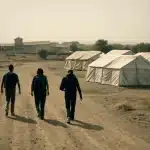
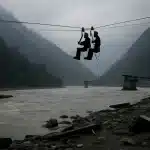
In the picturesque, yet tumultuous province of Bocas del Toro in Panama, protests have escalated into a crisis that has prompted the government to declare a regional state of emergency. This drastic measure comes in response to ongoing demonstrations by local banana workers from Chiquita, as well as teachers, indigenous groups, and construction workers. The protests, which have been disrupting daily life for nearly two months, are centered around opposition to a pension reform and a security agreement with the United States, which could increase U.S. military presence near the Panama Canal.
Work revolution: Google reveals 90% of professionals are already using AI daily – are you one of them?
Gigantic 400-meter structures discovered beneath Antarctic ice spark heated debate among scientists worldwide
### The Heart of Conflict: Banana Workers’ Strike
The protests originated with Chiquita banana workers, who have been on strike for almost two months against the pension reform proposed by the government. The situation intensified as other community groups joined the fray, broadening the protests’ scope to include opposition to the aforementioned U.S.-Panama security pact.
### Government’s Response Amidst Escalating Tensions
Juan Carlos Orillac, the Minister of the Presidency, announced that the state of emergency would last for five days and include restrictions on basic rights such as freedom of assembly and movement. This decision comes after a previous, less restrictive state of emergency was declared in May, which did not include these fundamental rights limitations.
Orillac condemned the protesters’ actions, which recently escalated to looting facilities belonging to Chiquita and the local airport in Changuinola, and even setting a baseball stadium on fire. He labeled these acts as threats to public order, internal security, and democratic institutions, stating, “These incidents are unacceptable and do not represent legitimate protest.”
### Economic and Social Fallout
The ongoing strikes and blockades have severely impacted the economic and social fabric of Bocas del Toro. Chiquita, a major employer in the region, has reacted by announcing the termination of approximately 6,500 workers and relocating its administration to neighboring Costa Rica. Such moves hint at a deepening economic crisis in the area, exacerbated by the ongoing civil unrest.
### A Broader Coalition Against Government Policies
A YouTuber bought a Bugatti on TEMU expecting luxury… but the unboxing went terribly wrong
Colonizing Mars is no longer a dream: Elon Musk unveils a historic deadline that will change everything
Interestingly, the protests have unified a diverse group of community members, including teachers and indigenous populations, who, alongside the banana workers, continue to voice their dissent. These groups are not only protesting the pension reform but are also rallying against the increase in U.S. military involvement in Panama, indicating a deep-seated mistrust of foreign influence and governmental decisions.
As Bocas del Toro faces this critical juncture, the outcomes of these protests and the government’s stern response remain to be seen. The situation poses significant questions about the balance between maintaining order and respecting civil liberties, the economic implications of corporate and governmental decisions on local communities, and the broader geopolitical impacts of international agreements.
Similar Posts
- Revolutionary AI Narration Takes Over: Upgrade Your Listening Experience in Just 5 Minutes!
- Unveiling the Motives Behind Morocco’s Youth Protests: A Deep Dive
- Violence Flares Up Again in Serbia: Citizens Protest Against Government Policies
- Botswana’s President Declares Health Emergency: What You Need to Know
- Stop Throwing Away Banana Peels: Discover Their Surprising Uses!

Lowell Hagan closely follows international affairs. From geopolitical conflicts to economic cooperation, he provides context to help readers better understand global dynamics. His clear, structured style gives meaning to global news.