A Papal Endorsement of Cinema: Pope Leo XIV Celebrates Film as a Noble Art
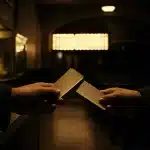
Pope Leo XIV, a known cinephile and the first American-born Pope, recently held a vibrant gathering at the Vatican where he addressed leaders from the global cinema industry. This unique event highlighted the intrinsic value of films and theaters, which he described as “the beating hearts of our communities.” His speech emphasized cinema’s role in enriching the human spirit and its ability to foster a deeper understanding of life’s complexities through storytelling.
Work revolution: Google reveals 90% of professionals are already using AI daily – are you one of them?
Gigantic 400-meter structures discovered beneath Antarctic ice spark heated debate among scientists worldwide
The Spiritual and Social Impact of Cinema
In his address, Pope Leo XIV articulated a profound connection between the cinematic experience and spiritual enrichment. “When the magic light of cinema illuminates the darkness, it also ignites the eyes of the soul,” he remarked, underscoring the dual role of films as sources of entertainment and enlightenment. He praised the medium for its ability to instill hope and offer new perspectives on the human condition, suggesting that films carry the power to transform viewers’ outlooks by presenting familiar complexities in new light.
The Pope’s Favorite Films and Their Influence
The Pope shared his personal connection with cinema by revealing his favorite films, which include classics like “It’s a Wonderful Life,” “The Sound of Music,” “Life Is Beautiful,” and “Ordinary People.” These selections offer insight into the themes that resonate with him, such as resilience, joy, and the triumph of the human spirit over adversity.
A Glimpse into the Event’s Star-Studded Attendees
Although the press was not allowed inside the venue, reports from those present confirmed a star-studded attendee list. Renowned figures such as Cate Blanchett, Chris Pine, and directors like Spike Lee and Darren Aronofsky were among the many luminaries who heard the Pope’s message firsthand. This convergence of leading film industry figures at such an event underscores the significant crossover between spirituality and cinematic art.
Celebrating a Milestone in Film History
The timing of Pope Leo XIV’s speech is particularly noteworthy as it aligns with the upcoming 130th anniversary of cinema, first introduced to the public by the Lumière Brothers in December 1895. This historical context enriched the gathering, linking past innovations with contemporary cinematic achievements. Many filmmakers took this opportunity to showcase their works and classic films at the nearby Cinema Troisi in Rome, which uniquely operates 24-hours a day under the curatorship of Valerio Carocci.
The Pope’s Vision for the Future of Cinema
Looking ahead, Pope Leo XIV expressed his aspirations for the role of cinemas worldwide. He envisioned theaters as communal spaces that continue to dazzle and inspire, fostering peace and understanding among diverse audiences. “May your cinema always be a meeting place and a home for those seeking meaning and a language of peace,” he declared, highlighting his hope that cinemas maintain their capacity to reveal the divine and connect communities.
This address by Pope Leo XIV not only reaffirms the cultural and spiritual significance of cinema but also solidifies its status as a vital art form that nurtures the collective human experience. Through his reflections, the Pope has championed a more profound appreciation for the narratives that shape our understanding of the world and each other.
Similar Posts
- Rejecting Isolation and Selfishness: A Call for Global Unity and Cooperation
- Hopes High for New Leader to Usher in Peace: Citizens Await Change
- Berlinale Buzz: Festival Director Tricia Tuttle Vows Unwavering Free Speech Amid Turbulent Start
- Nicolas Cage Embraces TV Future: Ready to Fulfill Performance Dreams
- Rhea Seehorn Praises ‘Pluribus’ Team in Speech: “Performances Don’t Happen in a Vacuum”

Claude Merritt explores the world of entertainment with a keen eye. From music to film, TV series, and popular culture, he covers celebrity news and American cultural trends with a lively and critical approach.