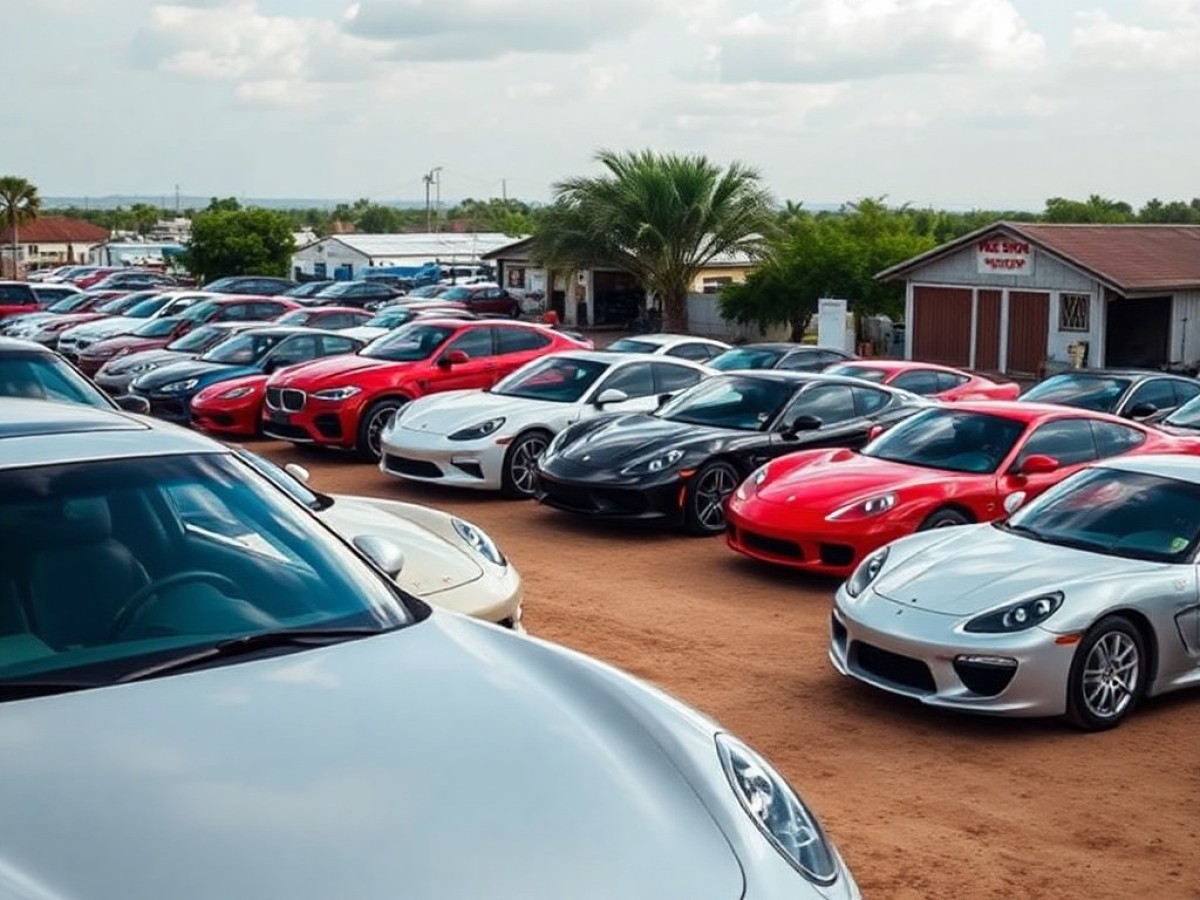
In the picturesque setting of Lamu, a Kenyan island, a rather unusual scene unfolds—a vast collection of luxury cars, including high-end brands like Porsche, neatly parked and waiting for their fate to be decided. These vehicles, originally destined for Dubai, are now temporary residents here due to the ongoing conflict in the Persian Gulf.
Work revolution: Google reveals 90% of professionals are already using AI daily – are you one of them?
Gigantic 400-meter structures discovered beneath Antarctic ice spark heated debate among scientists worldwide
The Journey to Lamu
The cars arrived aboard a container ship operated by Italian shipping company Grimaldi. They were loaded in Japan and were supposed to be shipped to Dubai’s Jebel Ali port. However, following Iranian attacks on the port in early March—a retaliation against US-Israeli strikes on Iran—the route was unexpectedly cut short, landing them in Lamu instead.
Challenges in the Persian Gulf Redirect Ships to Lamu
The geopolitical instability has made Lamu an unintended hub for these stranded vehicles. According to Abdulaziz Mzee, the port manager, up to 4,500 cars have already been rerouted here. With the situation in the Gulf worsening, more ships are seeking refuge in Lamu, inquiring about both docking and offloading their cargo here.
Lamu: A Rising Port with Growing Capacity
Lamu’s port, which opened its first phase in 2021, is situated north of Mombasa, East Africa’s primary port. Unlike Mombasa, which is often overburdened and has little immediate docking space available, Lamu presents an opportunity with its ample unused capacity. This has turned into a significant economic boon for the area, as described by Mzee. Although it’s a crisis borne out of conflict, the increased use of Lamu’s port facilities provides some economic relief to the region.
The luxury cars, shielded in protective covers to prevent damage during their extended stay, are likely to remain parked here until geopolitical tensions ease and they can safely continue to their intended destination.
Looking Ahead: The Impact on Lamu
As more freighters seek to dock, the demand for Lamu’s port services could lead to increased local economic activity. This scenario underscores the broader implications of global conflicts on international trade routes and local economies. For now, Lamu serves as a critical pivot in this unforeseen logistical challenge, harboring these luxury vehicles until a resolution is reached in the Gulf.
The situation also highlights the adaptability required in global shipping logistics, where destinations can swiftly change based on geopolitical pressures. For the high-end automotive industry, this situation in Lamu is an unexpected detour that showcases the vulnerability and interconnectivity of global trade networks.
Similar Posts
- US Military Strikes Oil Tanker Near Iranian Island: Tensions Escalate
- Iran Launches Strikes Across Multiple Gulf States: Tensions Escalate
- US Strikes on Iranian Oil Tankers: Escalation in Tensions Unfolds
- Tanker Attacked Again in Strait of Hormuz: Rising Tensions in Key Shipping Lane
- US Continues Strikes; Iran Targets Oil Tanker in Escalating Conflict

Lowell Hagan closely follows international affairs. From geopolitical conflicts to economic cooperation, he provides context to help readers better understand global dynamics. His clear, structured style gives meaning to global news.