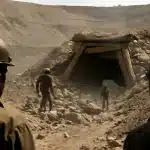
In the rugged, picturesque terrains of Afghanistan, a land marked by contrasts, the Taliban are attempting to boost their fragile economy through tourism. Despite the ongoing security concerns and the stark reality of gender discrimination, the regime has been actively promoting the country as a destination for international tourists.
Colonizing Mars is no longer a dream: Elon Musk unveils a historic deadline that will change everything
Gigantic 400-meter structures discovered beneath Antarctic ice spark heated debate among scientists worldwide
### Afghanistan’s Tourism Push under Taliban Rule
Five years after seizing power, the Taliban’s efforts to open Afghanistan to tourism are met with a blend of curiosity and skepticism. The country offers stunning natural landscapes, from the surreal beauty of the Band-e Amir National Park with its series of deep blue lakes nestled among yellowish-red cliffs, to the bustling markets of Kabul, where the vibrant colors of fresh produce are starkly contrasted by the presence of armed guards.
However, the experience of visiting Afghanistan is far from ordinary. Tourists encounter a mix of hospitality and propaganda, and must navigate a complex set of cultural and Islamic laws imposed by the Taliban. These include strict dress codes for women and the prohibition of photography featuring women.
### The Reality of Tourism in Taliban’s Afghanistan
Despite the allure of its untouched natural beauty and the warmth of its people, Afghanistan under the Taliban presents several challenges for tourists, especially women. Women are restricted from visiting many public places except during early morning hours, leading to a significant decline in family outings and overall tourist activity in such spots.
Foreign tourists, including a growing number of social media influencers attracted by the raw and untold stories of Afghanistan, must travel within the confines set by the government. Travel agencies assigned to visiting groups ensure adherence to local laws, guiding tourists on appropriate behavior at religious sites and ensuring compliance with the Taliban’s moral codes.
### The Contrasting Experiences of Visitors
Tourists like Hannelore, a visitor from Germany, express a complex set of emotions when traveling through Afghanistan. On one hand, the presence of armed Taliban at every corner provides a sense of security; on the other, the reality of harsh restrictions on local women and the visible signs of poverty and crisis make the experience bittersweet.
A YouTuber bought a Bugatti on TEMU expecting luxury… but the unboxing went terribly wrong
Colonizing Mars is no longer a dream: Elon Musk unveils a historic deadline that will change everything
Influencers and bloggers like Ankita from India find themselves torn between the welcoming nature of the Afghan people and the oppressive policies of the Taliban regime. The stark contrasts between moments of joy and sadness reflect the complex narrative of a country rich in history but plagued by contemporary issues.
### Humanitarian Perspectives on Afghan Tourism
Humanitarian workers in Afghanistan, such as Veronika Staudacher from Caritas, provide a sobering view of the country’s challenges. A significant portion of the population lacks basic healthcare services, and issues like unemployment, poverty, and hunger are exacerbated by international sanctions and isolation.
While tourism might seem like a small effort in the face of such overwhelming challenges, it represents a desperate attempt by the Taliban to garner economic stability and international attention. The United Nations mission in Afghanistan acknowledges the Taliban’s interest in advancing the country’s economic development but emphasizes the importance of ensuring that tourism benefits local communities.
### A Glimpse into Afghanistan’s Tourism
Each visit to Afghanistan offers a glimpse into a land of paradoxes, where the breathtaking beauty of its landscapes and the resilience of its people stand in sharp contrast to the visible signs of conflict and control. As the Taliban continue to promote Afghanistan as a tourist destination, the world watches closely, balancing the potential for economic benefits against the ethical implications of tourism in such a complex environment.
Similar Posts
- Feeling Imprisoned: A Personal Account of Confinement
- Afghanistan and Pakistan Strike Ceasefire Agreement: Details Inside
- Dobrindt’s Envoy Engages with Taliban Representatives: Key Details Revealed
- Afghanistan and Pakistan Strike Ceasefire Agreement: Hope for Regional Stability
- New Tourist Resort: Could This Be the Solution to the Crisis?

Lowell Hagan closely follows international affairs. From geopolitical conflicts to economic cooperation, he provides context to help readers better understand global dynamics. His clear, structured style gives meaning to global news.