Work revolution: Google reveals 90% of professionals are already using AI daily – are you one of them?
Gigantic 400-meter structures discovered beneath Antarctic ice spark heated debate among scientists worldwide
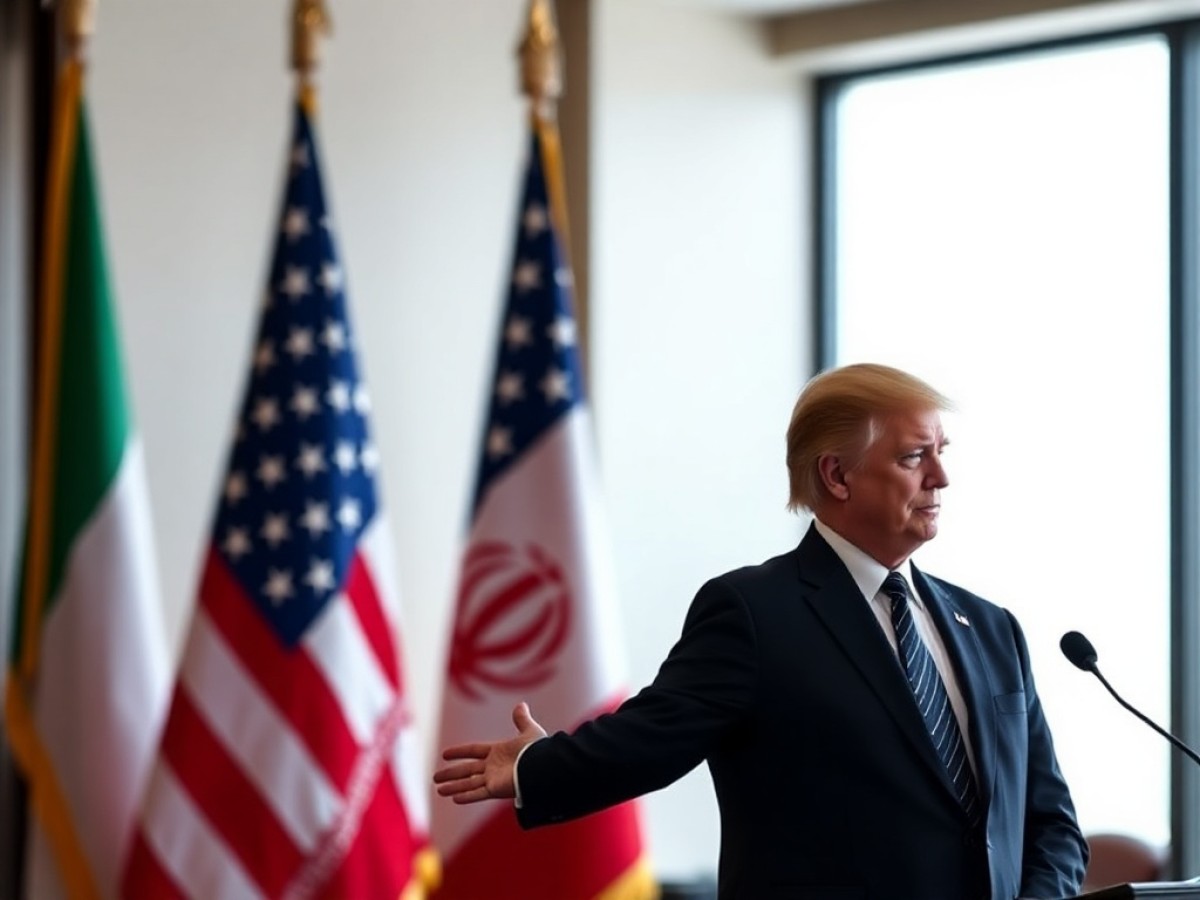
Despite previous discussions aimed at easing tensions, Iran has declined a second round of negotiations with the United States. This decision, reported by Iran’s state agency IRNA, cites the US’s “excessive demands” and inconsistent policies as primary reasons for their refusal, indicating a bleak outlook for serious dialogue.
Impending Diplomatic Efforts
Amidst these diplomatic strains, President Trump has announced that a US delegation will visit Islamabad next week for further discussions. This move follows a recent pattern of intensified efforts to engage Iran in dialogue, despite their apparent reluctance.
However, Tehran has labeled these upcoming talks as part of an American media campaign to increase pressure through blame. This narrative suggests a complex web of strategy and counterstrategy as each nation vies for the upper hand in global and regional politics.
Stalled Negotiations and Threats
The first face-to-face negotiations, held a week ago and involving high-ranking officials from both sides, concluded without any significant breakthroughs. Following these talks, a temporary ceasefire was agreed upon, which is due to expire soon. The ceasefire’s effectiveness is already under scrutiny following Iran’s recent actions in the Strait of Hormus, which the US views as a direct violation of the agreement.
President Trump has not shied away from using stark language, reiterating threats of destruction against critical Iranian infrastructure if substantial progress is not made. These comments come amidst a backdrop of escalating military actions, including Iran’s blockade of key maritime routes crucial for global oil markets.
A YouTuber bought a Bugatti on TEMU expecting luxury… but the unboxing went terribly wrong
Colonizing Mars is no longer a dream: Elon Musk unveils a historic deadline that will change everything
Looking Ahead
The discussion of Iran’s nuclear ambitions remains a central sticking point. The US insists that any agreement must include a clear commitment from Iran never to pursue nuclear weapons. However, Iran’s response remains non-committal at best, raising questions about the potential for future compromise.
In a landscape marked by conflicting narratives and mutual distrust, the international community watches closely. The outcome of these engagements could significantly influence the geopolitical dynamics of the region.
As delegations prepare to meet once more, the world waits to see if this round of negotiations in Islamabad will pave the way toward easing tensions or if it will simply mark another chapter in the ongoing standoff between the US and Iran.
Similar Posts
- Serious Talks Yield No Tangible Results: Key Details Inside
- U.S. Issues Deadline for Iran Nuclear Deal: Tensions Escalate
- Future Relations Between the USA and Iran: What Lies Ahead?
- Trump Extends Ceasefire with Iran: Key Details on the Unexpected Move
- China Slams U.S. Tariff Announcement on Iran: Tensions Escalate

Lowell Hagan closely follows international affairs. From geopolitical conflicts to economic cooperation, he provides context to help readers better understand global dynamics. His clear, structured style gives meaning to global news.