In the heart of Eastern Ukraine, a rugged road stretches for 170 kilometers, winding through forests and steppes, occasionally cutting through small villages. This seemingly unremarkable road has become an essential supply route from central Ukraine to the frontline near Kramatorsk in the embattled region of Donbass. It is one of the few remaining lifelines for both civilians and military personnel, braving perilous conditions to deliver essentials.
Work revolution: Google reveals 90% of professionals are already using AI daily – are you one of them?
Gigantic 400-meter structures discovered beneath Antarctic ice spark heated debate among scientists worldwide
### The Lifeline Under Siege
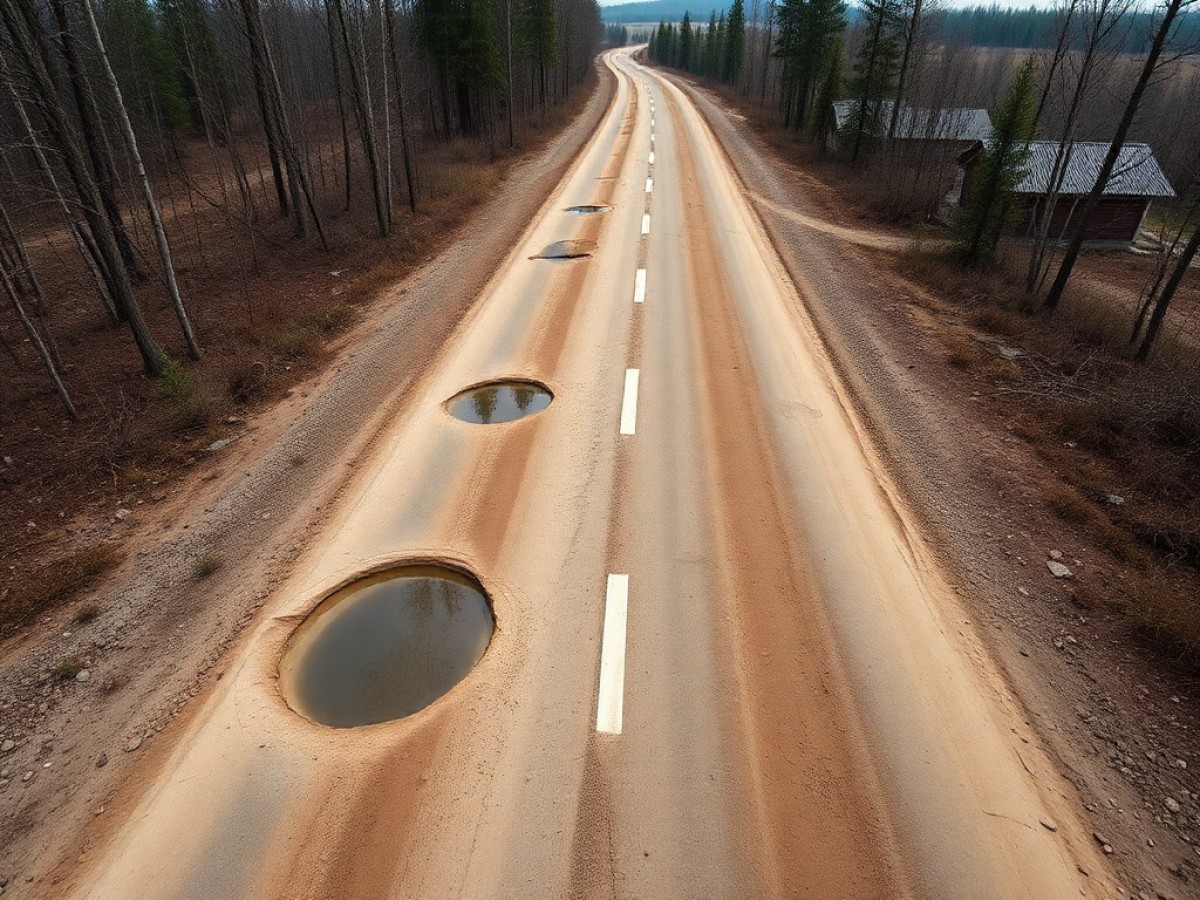
Travel along this crucial artery is slow and treacherous. Valerij, a 25-year-old working at one of the sparse gas stations along the route, paints a grim picture of the journey. “In the summer, you could cover 60 kilometers in an hour. Now, it takes three hours just to cover the same distance. The road is in a terrible state,” he laments. The road, pocked with potholes and frequently targeted by drones, poses a constant threat to those who dare traverse it.
### Vital Stops Along the Way
Despite the road’s dire condition, it is bustling with activity. Valerij’s gas station is a hub where military trucks, battered civilian cars, and various other vehicles queue to refuel. Olexandr and his wife, who live 30 kilometers away, are regulars at the station. They make the trek to fill up their car and stock up on essential supplies like gasoline for their car and gas for cooking, despite the omnipresent danger of drones. “As long as drones don’t drop on our heads, we’ll stay,” Olexandr states, a testament to the resilience and stubborn hope of those living under the shadow of conflict.
### The Road Riddled with Risks
This vital route is not only plagued by physical decay but also by the constant threat of aerial assaults. The heavy military transports that frequently use the road have carved deep ruts into the asphalt, making the journey even more perilous. The Institute for the Study of War has noted systematic drone attacks by Russian forces targeting this and other critical supply routes, with over 20 drone strikes recorded in January 2026 alone, far from the frontline.
### A Community on the Brink
Close to the frontline, the communities along the road live under constant threat. Drone strikes have become a part of daily life, hitting close to homes and essential services like Valerij’s gas station, which miraculously has not yet been directly hit. “We live on a powder keg,” Valerij explains, capturing the constant fear and uncertainty that grips his community.
A YouTuber bought a Bugatti on TEMU expecting luxury… but the unboxing went terribly wrong
Colonizing Mars is no longer a dream: Elon Musk unveils a historic deadline that will change everything
### Adaptation and Resilience
In response to the relentless drone warfare, the Ukrainian military is rapidly enhancing defenses along the route. Bagger dig trenches and long stretches of anti-drone nets are being erected to shield the road. The government has set ambitious goals to extend these protective measures by 20 kilometers daily.
### The Human Cost
The war has left its mark not just on the landscape but deeply in the lives of the people it touches. Serhij, a tire repair shop owner along the road, sees a steady stream of military vehicles needing urgent repairs due to the road’s treacherous conditions. While business is brisk, it’s a reminder of the grim reality of war. “Ninety percent of my customers are soldiers,” he says, highlighting the military’s heavy reliance on this fragile supply line.
As the conflict drags on, the people along this critical route face a harsh dilemma: stay and face constant danger, or leave and abandon the lives they’ve built. For many like Serhij and Valerij, the decision is heart-wrenching. Caught between survival and attachment to their homeland, they embody the resilience and tragedy of a region caught in perpetual strife.
Similar Posts
- Ukraine Sends Experts to the Middle East: Strengthening International Ties
- Ukraine Drone Attack Claims Multiple Lives: Breaking Details Revealed
- Ukrainian Drones Strike Russian Oil Facilities: Escalation in Conflict
- Breaking News: Tragic Loss of Three Lives in Odessa Unfolds
- Russian Navy Vice-Chief Assassinated: Exclusive Details Inside!

Lowell Hagan closely follows international affairs. From geopolitical conflicts to economic cooperation, he provides context to help readers better understand global dynamics. His clear, structured style gives meaning to global news.