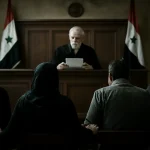
In a striking diplomatic move, Australia has expelled the Iranian ambassador, citing a series of antisemitic attacks within its borders directly linked to the Iranian government. This unprecedented action marks the first time since World War II that Australia has taken such a step against a foreign diplomat. The expelled Iranian officials, including Ambassador Ahmad Sadeghi, were given just 30 minutes notice ahead of a press conference and a week to leave the country, as stated by Foreign Minister Penny Wong.
Work revolution: Google reveals 90% of professionals are already using AI daily – are you one of them?
Gigantic 400-meter structures discovered beneath Antarctic ice spark heated debate among scientists worldwide
Escalating Tensions and Security Measures
In response to these severe accusations, Prime Minister Anthony Albanese has taken robust measures to ensure national security and support for the Jewish community in Australia. Albanese confirmed that the Australian Security Intelligence Organisation (ASIO) had provided evidence of Iran’s involvement in the attacks. These included incidents at a synagogue in Melbourne and a kosher restaurant in Sydney, which have significantly alarmed the local communities.
Describing the attacks as “extraordinary and dangerous acts of aggression” orchestrated by Iran, Albanese emphasized that such actions were attempts to undermine Australian society and sow discord. This strong stance against foreign interference in Australia’s internal affairs has led to significant diplomatic repercussions, including the closure of Australia’s embassy in Tehran. All embassy staff have been safely relocated to a third country, and Australians have been advised to leave Iran and avoid traveling there.
Complex Networks and Legal Ramifications
ASIO Chief Mike Burgess pointed out that the Iranian Revolutionary Guards use a sophisticated network of proxies to mask their involvement, a tactic he had previously warned about. This revelation has prompted the Australian government to consider tougher legal actions. Interior Minister Tony Burke highlighted the psychological and community impacts of the attacks, noting that while there were no physical injuries, the damage to the communal harmony was significant.
Burke also announced plans to intensify criminal laws to include the Revolutionary Guards on a terror list, describing their actions as reaching a “completely unacceptable new level.” These legal adjustments are seen as crucial in addressing and curtailing the activities of groups linked to foreign entities that threaten national security.
Community Impact and Government Response
The Jewish community in Australia has been left in a state of fear following the attacks, which included a firebombing at Lewis’ Continental Kitchen in Sydney and another at the Adass Israel Synagogue in Melbourne. Both incidents caused significant property damage but fortunately no casualties. The government’s response, spearheaded by Burke’s legal reforms, aims to fortify the nation’s defenses against such covert operations and ensure the safety and security of all its citizens.
Through these measures, Australia is taking a firm stand against international interference and violence, reinforcing its commitment to maintaining a safe and inclusive society for all its residents.
Similar Posts
- Germany Withdraws Embassy Staff from Tehran: Diplomatic Tensions Rise
- USA-Iran Tensions Escalate Despite Recent Agreement: What’s Next?
- Millions of Australian User Accounts Go Offline: What You Need to Know
- Winning a New Life: How Lotteries Are Reshaping Immigration Paths
- Australia Targets YouTube: Plans to Restrict Children’s Access to the Platform

Lowell Hagan closely follows international affairs. From geopolitical conflicts to economic cooperation, he provides context to help readers better understand global dynamics. His clear, structured style gives meaning to global news.