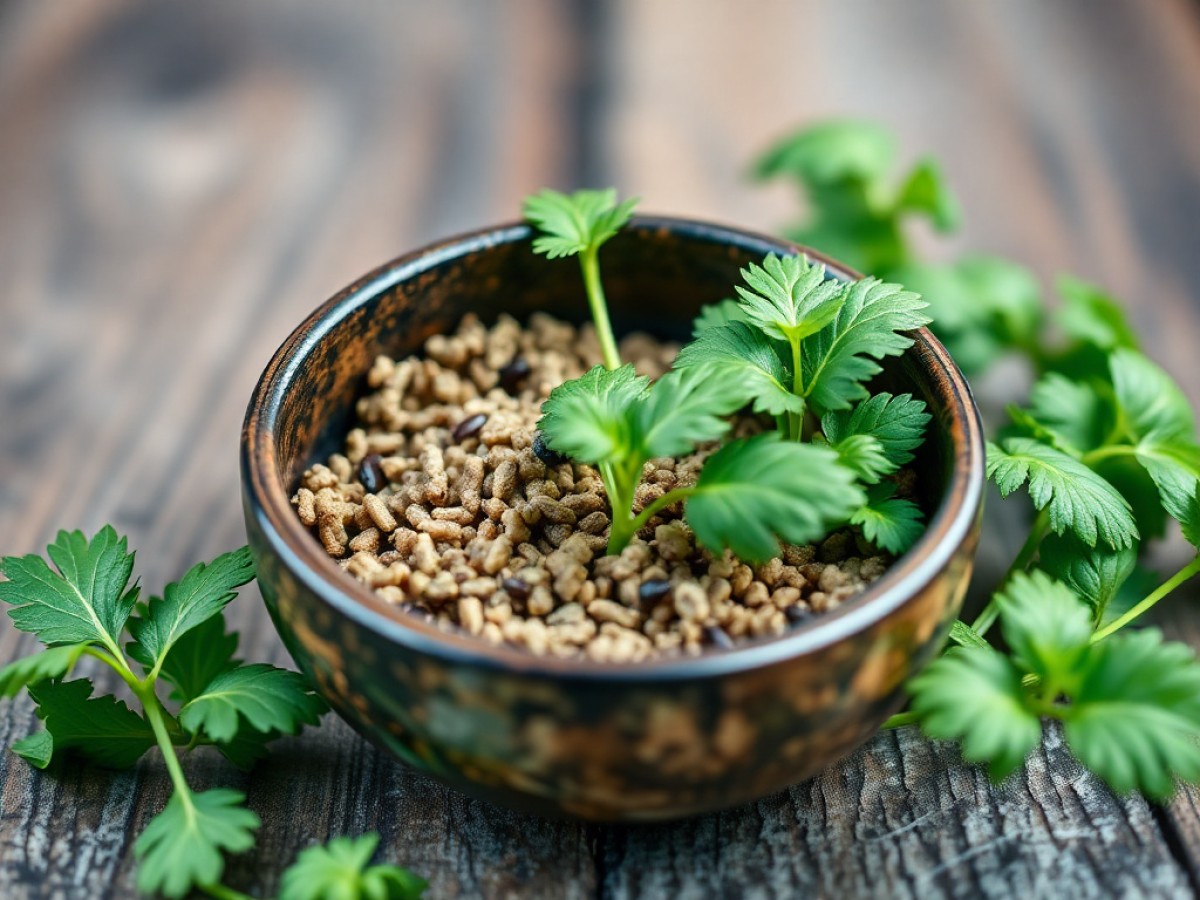
Exploring the Multifaceted Benefits of Culinary Herbs
While often relegated to a supporting role in the culinary world, herbs such as basil, coriander, oregano, and parsley are proving to be powerhouses of nutrition and health benefits beyond their flavor-enhancing properties. Recent scientific studies have illuminated their significant roles beyond the kitchen, highlighting their potential in promoting overall health and preventing various ailments.
Work revolution: Google reveals 90% of professionals are already using AI daily – are you one of them?
Gigantic 400-meter structures discovered beneath Antarctic ice spark heated debate among scientists worldwide
The Hidden Health Allies in Your Herb Garden
Herbs are far more than just flavor enhancers. They contain a dense concentration of vitamins such as A, C, and K, essential minerals like calcium, magnesium, and potassium, and a range of phytonutrients that are known for bolstering the immune and cardiovascular systems. According to comprehensive reviews published in the journal Nutrients, incorporating even small amounts of herbs—less than 3 grams per day—can provide noticeable health benefits. These benefits are largely attributed to the herbs’ anti-inflammatory and antimicrobial properties. Additionally, their rich fiber and micronutrient content solidify their status as nutritional treasures.
Antioxidant Powerhouses Disguised as Simple Greens
In the realm of daily nutrition, fresh herbs like basil, coriander, thyme, and parsley play a pivotal role. They are abundant in antioxidants, which are crucial for cellular defense, neutralizing oxidative stress that is often implicated in various diseases and aging processes. The regular inclusion of these herbs in meals does more than add a touch of gourmet to everyday dishes—it actively contributes to health maintenance and disease prevention.
Profiles of Popular Herbs and Their Specific Benefits
Each herb brings its unique set of benefits to the table. Basil is celebrated not only for its refreshing flavor ideal for summer but also for its immune and metabolism-enhancing properties. Just a few leaves offer a substantial amount of antioxidants, vitamin K, and magnesium. Coriander is noted for its polyphenols, which help in preventing metabolic syndrome and protecting the nervous system. Oregano is rich in flavonoids and phenolic acids, improving lipid balance and supporting immune health. Lastly, parsley is a robust source of iron, folates, and vitamin C, promoting blood circulation and cardiovascular health.
Incorporating Herbs Into Your Daily Diet Effortlessly
Integrating fresh herbs into your diet is simpler than it might seem. They can elevate the taste and nutritional value of various dishes, including salads, vegetable platters, cereals, stir-fries, and omelets, not to mention refreshing beverages. Whether blended into a soup or pesto, sprinkled over grilled chicken or vegetables, herbs enhance the nutritional intake with each meal. Experimenting with different combinations and varieties can stimulate both the palate and maintain dietary balance.
Similar Posts
- Unlock Basil Essential Oil Secrets: Discover Its Hidden Health Benefits!
- 6 Must-Have Medicinal Plants for Your Home Garden: Grow Your Own Natural Remedies!
- Stop Drinking This Common Cold Tea: Nutritionist Reveals Why It’s a Mistake!
- Spirulina Benefits: Discover What Your Body Gains From Regular Use!
- Sleep Better Tonight: 5 Calming Teas Recommended by a Dietitian for Restorative Rest!

Doyle Renner writes about public health, medical advances, and everyday wellness. He brings complex topics to life to help readers take informed care of their health.