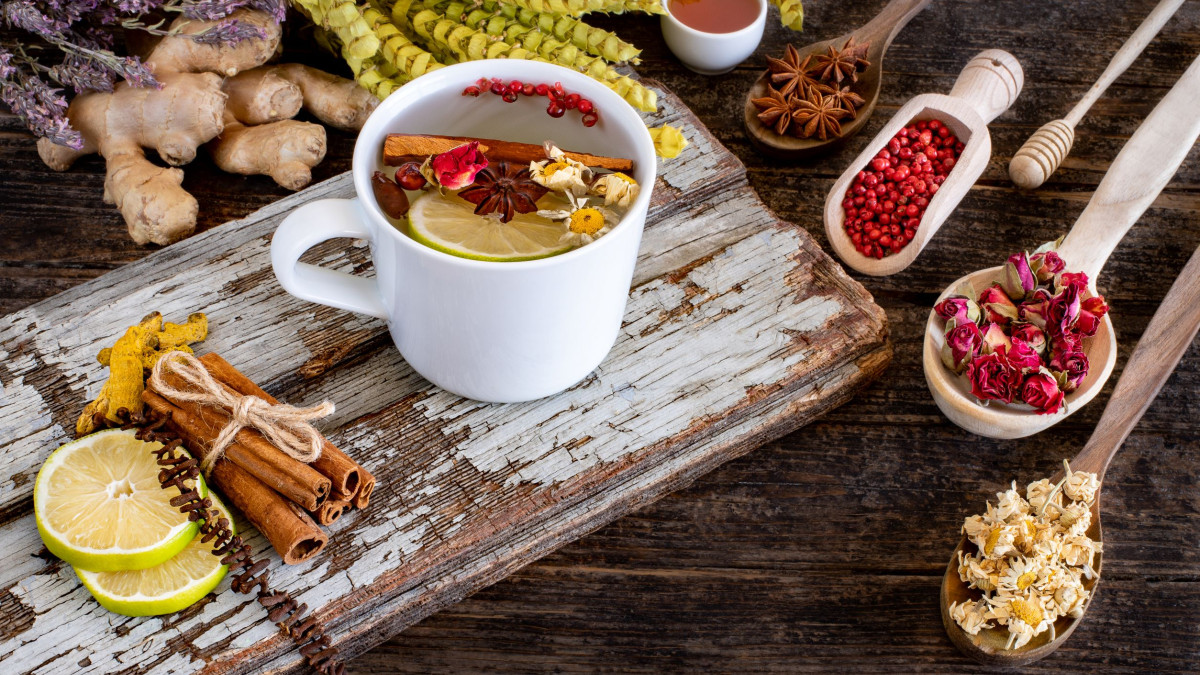
Exploring Nature’s Pharmacy: Effective Plants for Lowering Cholesterol
In our quest for healthier lifestyles, nature often holds the key to potent remedies. Among the natural solutions for health issues, certain plants have stood out for their ability to help manage cholesterol levels. Here, we delve into four plants renowned for their cholesterol-lowering properties, offering a blend of traditional wisdom and modern scientific research.
Work revolution: Google reveals 90% of professionals are already using AI daily – are you one of them?
Gigantic 400-meter structures discovered beneath Antarctic ice spark heated debate among scientists worldwide
The Power of Green Tea
Green tea isn’t just a refreshing beverage—it’s a potent medicinal drink with centuries of use. Rich in catechins, a type of antioxidant, green tea has been shown to effectively reduce low-density lipoprotein (LDL) cholesterol, often referred to as the ‘bad’ cholesterol. A 2020 study highlights that regular consumption of green tea is linked to lower LDL cholesterol levels, making it a simple yet powerful addition to a heart-healthy diet.
Hibiscus: More Than a Pretty Flower
The vibrant hibiscus flower is not only a visual delight but also a powerhouse of health benefits. Known for its high levels of antioxidants, vitamin C, and anthocyanins, hibiscus has been shown to lower blood pressure as well as reduce levels of bad cholesterol and triglycerides. Whether consumed as a tea or taken as an extract capsule, hibiscus has demonstrated its ability to decrease LDL cholesterol according to various studies. However, it’s important to note that it does not significantly affect ‘good’ cholesterol levels or triglycerides. Sipping on hibiscus tea throughout the day could be a delightful way to support your cardiovascular health.
Turmeric: A Spice for Life
Turmeric, a spice renowned for its bright yellow color and robust flavor, boasts anti-inflammatory properties thanks to compounds called curcuminoids. These components not only help reduce inflammation but are also effective in lowering cholesterol levels. Research suggests that turmeric and its active ingredient, curcumin, can play a protective role against cardiovascular diseases by improving serum lipid levels. This makes turmeric a valuable spice for both culinary and medicinal uses.
Ginger: The Cholesterol Combatant
Ginger, a staple in many cuisines around the world, is celebrated not only for its distinct flavor but also for its health benefits. Regular intake of ginger has been proven to significantly reduce cholesterol and triglyceride levels. A specific study noted that daily consumption of ginger could cut LDL cholesterol by over 17%. Packed with magnesium, potassium, and vitamin C, ginger serves as a powerful antioxidant as well. According to Medical News Today, consuming low doses of ginger, under 2 grams per day, can effectively decrease triglyceride and LDL cholesterol levels.
Each of these plants offers a unique blend of flavors and health benefits, making them excellent choices for anyone looking to naturally manage their cholesterol. Incorporating these into your daily regimen could lead to noticeable improvements in your cardiovascular health, all while enjoying the rich flavors and traditions of herbal remedies.
Similar Posts
- Top 4 Cholesterol-Crushing Plants: Discover Nature’s Best Remedies!
- Ginger Magic: 5 Healthy Drink Recipes Packed with Benefits!
- Arthritis Relief: 5 Proven Natural Remedies to Ease Daily Pain
- Ginger Magic: 5 Easy-to-Make Healthy Drinks You Can Whip Up at Home!
- Lower Your Cholesterol Naturally: This Spice Proven by Clinical Study!

Doyle Renner writes about public health, medical advances, and everyday wellness. He brings complex topics to life to help readers take informed care of their health.