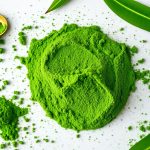
Natural Brews to Ease Your Cough
Work revolution: Google reveals 90% of professionals are already using AI daily – are you one of them?
Gigantic 400-meter structures discovered beneath Antarctic ice spark heated debate among scientists worldwide
Herbal Teas: A Grandmother’s Remedy for Cough Relief
When it comes to alleviating a cough, many people turn to age-old remedies that don’t involve medicine. Herbal teas are a popular choice due to their soothing and hydrating properties, which make them an ideal solution for those seeking relief from a persistent cough. Not only are they easy to prepare at home, but many herbal teas also possess antitussive (cough-suppressing), expectorant (mucus-clearing), or anti-inflammatory properties, providing a natural method to ease discomfort.
Exploring the Best Teas for Cough Relief
Thyme Tea: A Fragrant Expectorant
Thyme is well-regarded for its antitussive and expectorant qualities, making it a powerful ingredient in teas meant to alleviate coughing. It works by reducing inflammation in the respiratory tract and aiding in the expulsion of mucus. To make thyme tea at home, steep a tablespoon of dried thyme leaves in a cup of boiling water for 10 to 15 minutes.
Licorice Tea: Sweet and Soothing
Licorice root, known for its expectorant and anti-inflammatory effects, can also serve as a remedy for coughs. To prepare, add a tablespoon of dried licorice root to a cup of boiling water and infuse it for 10 to 15 minutes. Enhancing the flavor with lemon, cinnamon, or a bit of sugar can make the tea more enjoyable while maintaining its health benefits.
Ginger Tea: The Bronchial Cleanser
Ginger, with its strong anti-inflammatory properties, is another excellent choice for a homemade cough remedy. It helps reduce airway inflammation and cleanses the bronchi by aiding in toxin elimination. For a refreshing and effective ginger tea, grate a tablespoon of fresh ginger and steep it in boiling water for about 10 to 15 minutes.
Specialty Teas That Offer More Than Just Relief
Chamomile Tea: Gentle and Calming
Chamomile is famous for its calming properties, which can soothe not only the mind but also a dry cough. Preparing this tea involves steeping a tablespoon of dried chamomile flowers in boiling water for 10 to 15 minutes. Adding a touch of honey not only enhances the flavor but also boosts the tea’s soothing effects.
Hibiscus Tea: Rich in Vitamin C
Hibiscus tea is not only effective in alleviating symptoms of cough and cold but is also packed with vitamin C, which can boost the immune system. To make this vibrant tea, steep two tablespoons of dried hibiscus flowers in water. For an extra zing, a squeeze of lemon juice can be added.
A YouTuber bought a Bugatti on TEMU expecting luxury… but the unboxing went terribly wrong
Colonizing Mars is no longer a dream: Elon Musk unveils a historic deadline that will change everything
Sweetening the Pot: Honey in Herbal Tea
Incorporating honey into herbal teas can improve their cough-relieving power, especially for dry coughs. Honey, particularly varieties like pine, rosemary, and lavender, acts as a natural soothing agent for the respiratory tract. To enjoy honey in your tea, simply stir in a spoonful into about 250 ml of hot water, bringing it to a boil before adding the honey.
These natural remedies offer a delightful and effective way to manage coughs without relying on pharmaceuticals. Whether you choose thyme, licorice, ginger, chamomile, or hibiscus, each tea provides its unique benefits and flavors, making them a pleasant addition to any day spent recovering from a cough.
Similar Posts
- Migraine or Tension Headache? Discover 5 Herbal Teas That Can Help!
- Beat Menstrual Cramps with These 4 Natural Drinks: Find Relief Now!
- 5 Miracle Plants to Soothe Your Stubborn Headache: Natural Relief Now!
- 5 Natural Sore Throat Remedies: Cure Your Pain Fast!
- 5 Natural Remedies: Your Ultimate Winter Flu-Fighting Kit!

Doyle Renner writes about public health, medical advances, and everyday wellness. He brings complex topics to life to help readers take informed care of their health.