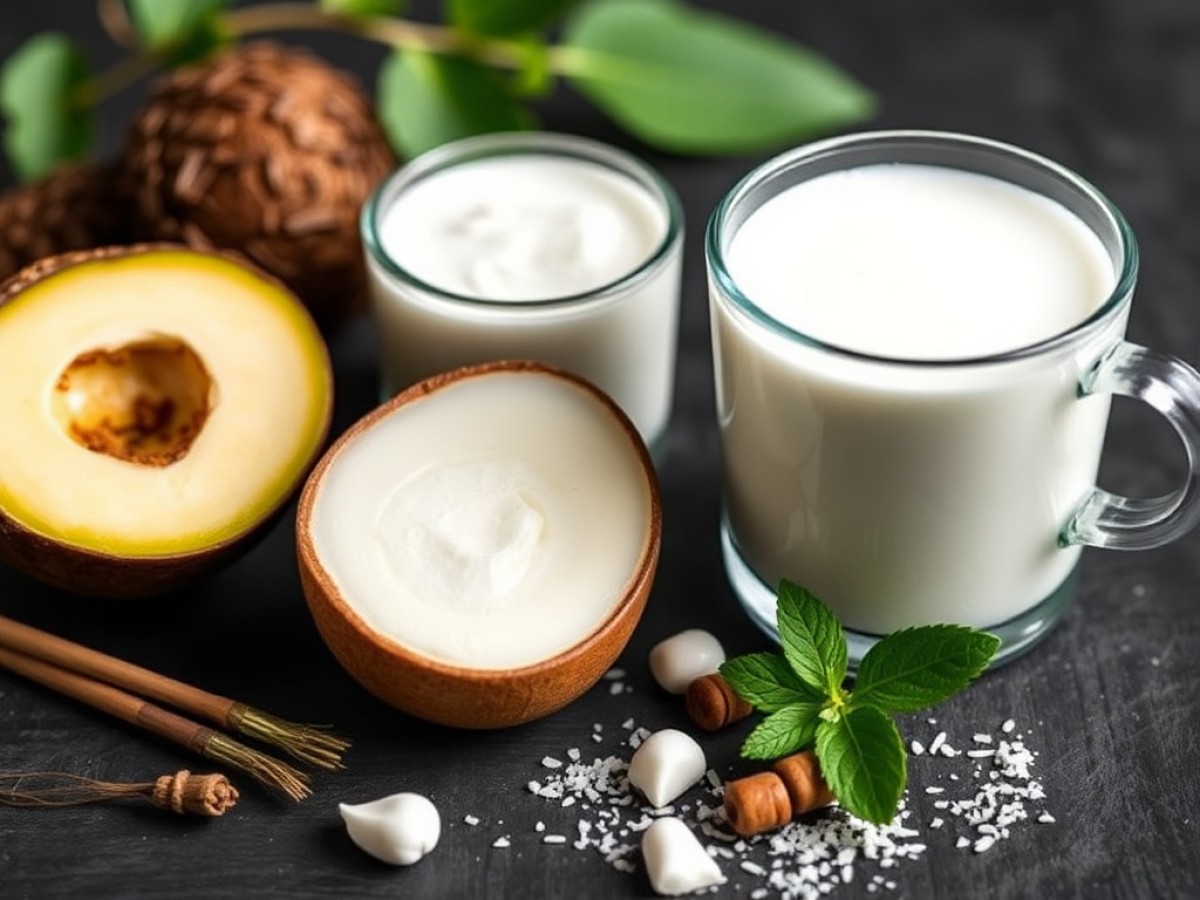
Rediscovering Kefir: A Timeless Health Elixir
Kefir, a gem from nature, has been cherished for millennia and is currently witnessing a resurgence in popularity worldwide. Originally used as a health tonic in Caucasian regions, this functional food stands out in today’s nutrition landscape. Known for its rich content of living microorganisms, kefir is celebrated as a powerful, natural probiotic. Let’s delve into the remarkable benefits of kefir that can enhance your gut microbiome and overall well-being.
Work revolution: Google reveals 90% of professionals are already using AI daily – are you one of them?
Gigantic 400-meter structures discovered beneath Antarctic ice spark heated debate among scientists worldwide
The Exceptional Microbial Diversity of Kefir
Unlike traditional yogurt, which typically contains only two or three bacterial strains, kefir boasts a complex and diverse microbial population. This drink can contain over thirty different types of microorganisms, including beneficial yeasts and lactic acid bacteria like Lactobacillus and Leuconostoc. These microbes temporarily colonize the intestine, help oust pathogenic bacteria, and contribute to the richness of your gut flora, offering a significant boost to your digestive health.
Kefir’s Role in Inflammation and Gut Health
Kefir is not just rich in probiotics but also contains unique polysaccharides such as kefiran, which are produced during the fermentation process. These substances have shown potent anti-inflammatory properties, particularly beneficial for the colonic mucosa. By reducing low-grade inflammation, kefir can alleviate symptoms associated with irritable bowel syndrome and improve the integrity of the intestinal barrier. This prevents undesirable molecules from entering the bloodstream, thus maintaining gut health.
Lactose Digestion Made Easier with Kefir
For those who struggle with lactose intolerance, kefir presents a viable solution. The live bacteria in kefir grains feed on milk sugar (lactose), predigesting it into lactic acid. Moreover, these bacteria produce the enzyme lactase, which is delivered directly to your digestive system, aiding in the overall digestion of dairy consumed during meals.
Vitamin Synthesis Boosted by Kefir
When you consume kefir, you’re not only ingesting beneficial bacteria but also enhancing your body’s ability to synthesize vital vitamins. These include several B vitamins—B1, B12, and folic acid—as well as vitamin K2, which is crucial for directing calcium towards the bones instead of the arteries, thereby supporting both bone and cardiovascular health.
Strengthening Immunity Through Kefir Consumption
Approximately 70% of our immune cells are located in the gut. Kefir interacts directly with these cells, stimulating the production of immunoglobulin A (IgA), a key antibody that forms the frontline defense against pathogens. Regular intake of kefir can thus fortify your natural defenses, potentially reducing the frequency of seasonal infections.
Positive Impact on the Gut-Brain Axis
The link between our gut microbiota and mood is increasingly recognized by science. Kefir supports the production of serotonin precursors in the gut, which plays a pivotal role in mood regulation and stress reduction. By balancing bacterial populations and promoting a healthy gut, kefir contributes to a calmer and more stable mental state.
Expert Insights on Kefir Consumption
Nutritionist Léa Zubiria advises those new to kefir to start with a small serving, such as a 100 ml glass daily, to allow the gut flora to adjust. She emphasizes that homemade kefir typically contains more probiotics than commercially available, pasteurized versions. For those purchasing kefir, selecting products labeled as "live" or "unpasteurized" ensures that the probiotics are active and beneficial.
Similar Posts
- Kefir Secrets Unveiled: 6 Surprising Gut Health Benefits That Could Transform Your Daily Life!
- Probiotics Boost Immunity: Discover 5 Fermented Foods for Natural Health!
- Probiotics: Miracle or Myth? Unveiling What Research Really Shows
- Revolutionize Your Digestion: Dietitian Reveals Surprising Fruit Better Than Lemon or Ginger!
- Kombucha Craze: Healthy Elixir or Just Sugary Hype?
A YouTuber bought a Bugatti on TEMU expecting luxury… but the unboxing went terribly wrong
Colonizing Mars is no longer a dream: Elon Musk unveils a historic deadline that will change everything

Doyle Renner writes about public health, medical advances, and everyday wellness. He brings complex topics to life to help readers take informed care of their health.