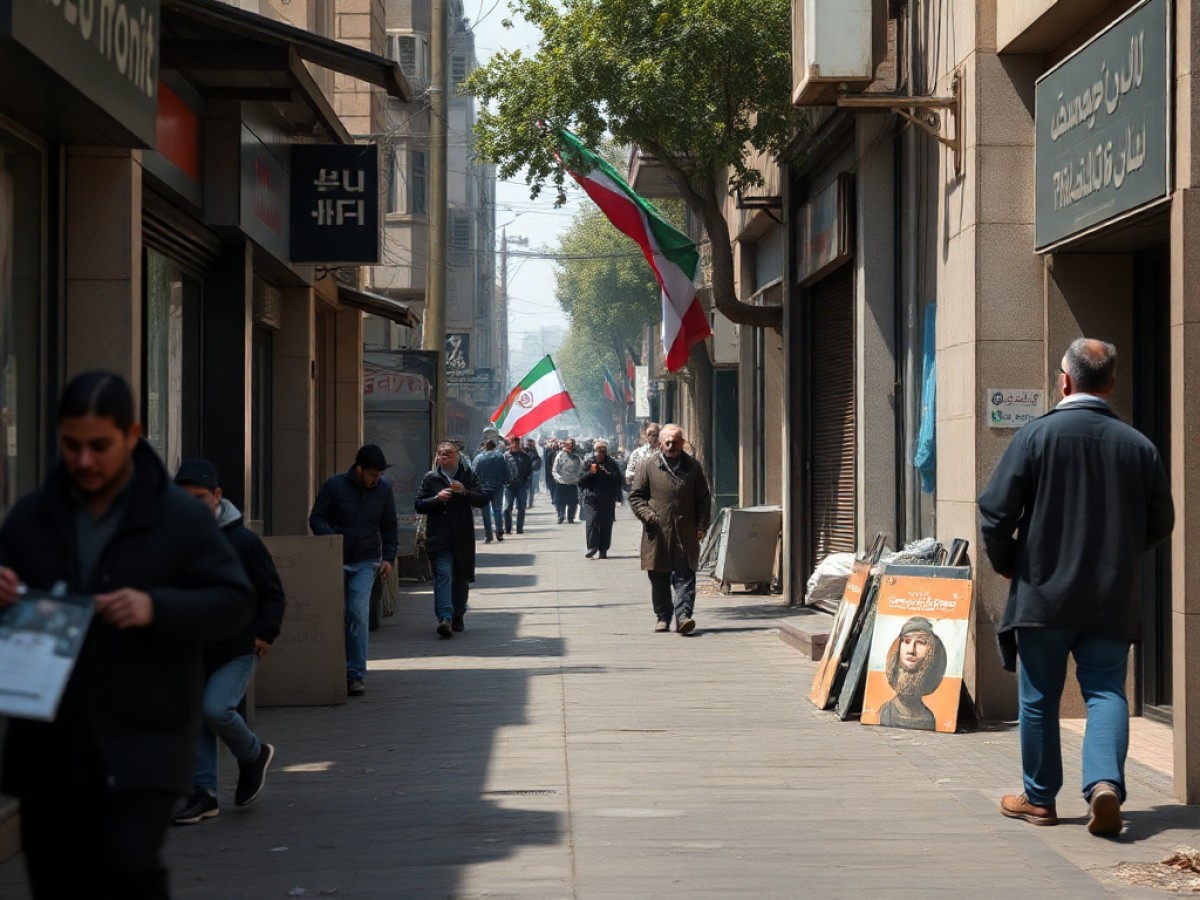
In Teheran, a short hiatus from US airstrikes has brought a temporary sense of relief to its citizens. For two nights, the skies have been quiet, but the silence does little to soothe the underlying tension and economic distress that grips the city.
Work revolution: Google reveals 90% of professionals are already using AI daily – are you one of them?
Gigantic 400-meter structures discovered beneath Antarctic ice spark heated debate among scientists worldwide
Mohammad, a 40-year-old kiosk owner in the west of Teheran, expressed his relief, “No one wants war in their own backyard. I’m just glad the fighting has stopped for now.” His sentiment reflects a general atmosphere of cautious optimism that perhaps, just perhaps, peace might be on the horizon.
However, this pause in airstrikes raises questions. Is this merely a temporary respite, or could it signify a move towards negotiations? The situation remains uncertain, and for many like Ali, a 55-year-old laundry shop owner, this uncertainty is unbearable. “One day there’s war, the next day peace. What kind of situation is this?” he laments. His business has suffered severely due to the ongoing conflict, with four months of dismal sales making it impossible to afford rent.
Under the Shadow of Economic Turmoil
Iran’s already fragile economy has been hit hard by the conflict. Inflation rates are soaring, with experts in Teheran predicting a staggering annual inflation of 68% for 2026. However, the real figures could be much higher. The Iranian rial is plummeting, and the once bustling Teheran bazaar now sees fewer customers than ever before.
Danial, who sells household appliances at the bazaar, describes the impact, “The situation must improve. We’re living in uncertainty, and no one knows what the future holds for our country.” The fluctuating exchange rates make it nearly impossible for traders like him to maintain stable prices, which further discourages the already scant shoppers.
On the bazaar’s quiet walkways, Danial’s struggle is a common tale. With customers scarce, many traders find themselves unable to earn a livelihood. “We mostly stand around ourselves now. The business is practically dead,” he adds.
Voices of the Youth: Uncertainty and Despair
Amidst economic and political instability, the youth of Iran face an uncertain future. A student near the University of Tehran, who preferred to remain anonymous, shared his fears, “We’re very worried about our future. It feels like no matter how hard we work, it leads nowhere. Knowing that all this effort is futile is deeply saddening.”
Despite the dire economic situation sparking protests in December, which were brutally suppressed in January, the likelihood of new protests seems slim. The memory of repression lingers heavily in the air, and just last week, a man was executed for his involvement in the January protests.
Evenings of Solidarity and Remembrance
Every evening, supporters of the Islamic Republic gather in major squares across the capital. They wave flags, play loud music, and engage in collective prayers, showing solidarity for their fighters at the front lines. A participant at Tehran’s Tajrish Square explained, “We gather to strengthen our fighters, ensuring they know everything is calm and secure back home, giving them confidence to combat the aggressor.”
A YouTuber bought a Bugatti on TEMU expecting luxury… but the unboxing went terribly wrong
Colonizing Mars is no longer a dream: Elon Musk unveils a historic deadline that will change everything
These gatherings also serve as a platform for demanding retaliation for the death of Supreme Leader Ali Khamenei. While supporters of the Islamic Republic are a minority, they currently dominate the public squares of Tehran.
Dialogue and Tension on the International Stage
The future of the conflict between the USA and Iran remains uncertain. Iran’s Revolutionary Guard has declared that no ship can pass through the Strait of Hormuz without adhering to Iranian regulations. Meanwhile, the US military maintains its blockade of Iranian ports in the Persian Gulf.
Conversations with Oman about the future use of the strait have been described as productive by Iran’s Foreign Ministry spokesperson, adding a glimmer of hope to the tense geopolitical atmosphere.
As Teheran oscillates between moments of cautious hope and profound anxiety, the resilience of its people is continually tested. The city waits, caught between the promise of peace and the ever-present shadow of war.
Similar Posts
- Unveiling the Mystery: Who is Ayatollah Ali Khamenei?
- Anything is Possible: Unveiling Infinite Opportunities
- We Refuse to Praise a Murderous Leader: Citizens Stand Firm
- Iran and US Escalate Tensions: A Cycle of Threats Intensifies
- Iran Rejects Ceasefire Proposal: Tensions Escalate in Middle East

Lowell Hagan closely follows international affairs. From geopolitical conflicts to economic cooperation, he provides context to help readers better understand global dynamics. His clear, structured style gives meaning to global news.