When everyday breathlessness could mean more
Climbing a flight of stairs and feeling unusually out of breath, noticing a racing heart after a salty dinner, or hearing your doctor mention “hypertension” — these are familiar moments for many people. High blood pressure is often symptomless, yet it affects a large portion of the population: roughly one in three adults. Recent studies and guidelines are reinforcing an approach that mixes simple lifestyle changes, dietary adjustments and, for some, complementary remedies such as herbal infusions to help keep blood pressure under control.
Colonizing Mars is no longer a dream: Elon Musk unveils a historic deadline that will change everything
Gigantic 400-meter structures discovered beneath Antarctic ice spark heated debate among scientists worldwide
How hypertension is identified — and how often it’s missed
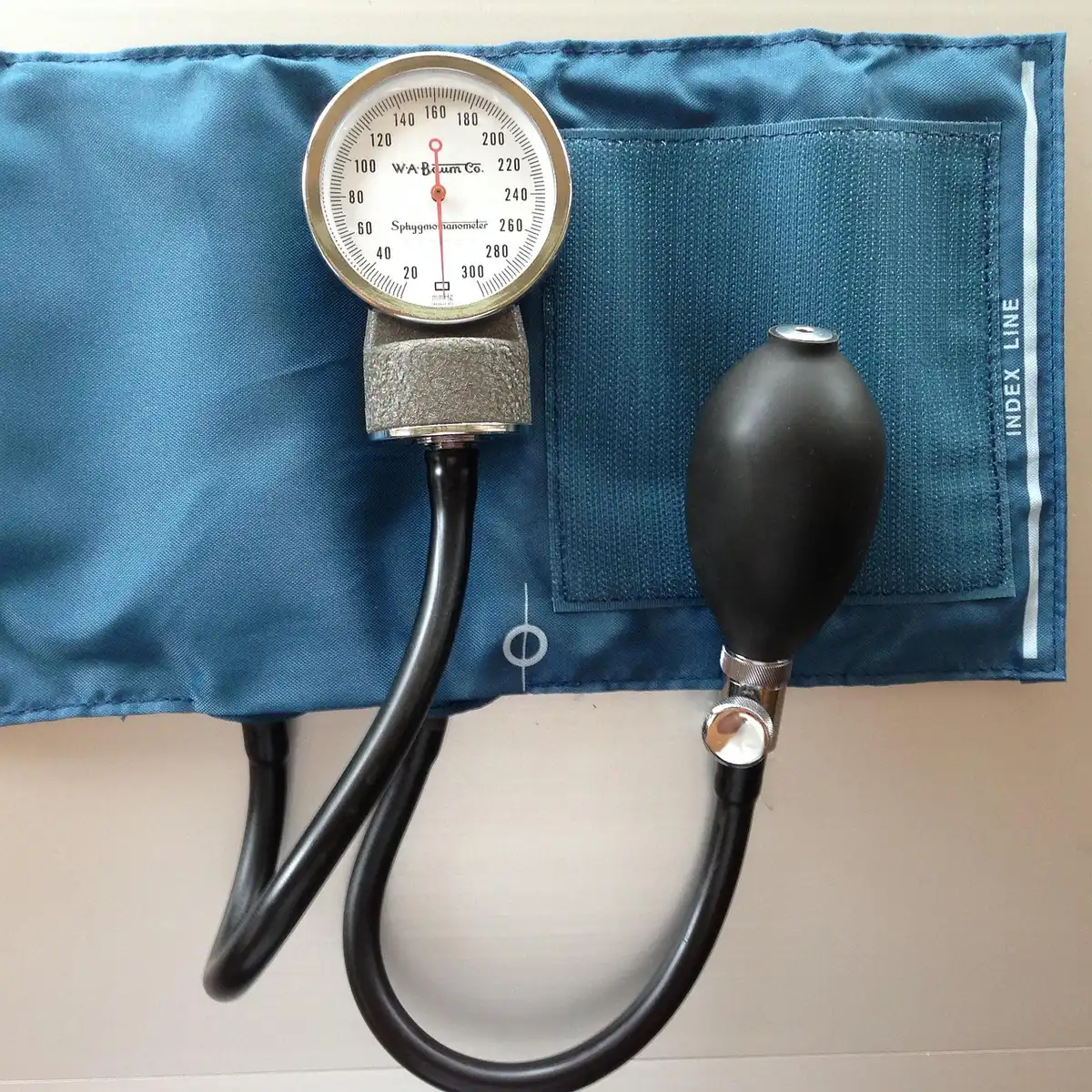
High blood pressure doesn’t always make itself known. In practice, physicians establish a diagnosis when repeated readings — taken across several visits — show a blood pressure at or above 140/90 mmHg, a threshold used by French health authorities and many international bodies. Despite its prevalence, detection is imperfect: in France in 2021 only about 55% of people with hypertension were aware of their condition. Early identification matters because untreated hypertension raises the risk of serious outcomes, including stroke, heart attack and kidney failure.
Who is more likely to develop high blood pressure?
Global figures underline the scope of the issue: the World Health Organization estimated about 1.4 billion adults living with hypertension in 2024 — nearly one-third (33%) of people aged 30–79. The main risk factors are well known:
– Excess sodium intake, much of it “hidden” in everyday foods such as bread, canned goods, processed products and frozen meals.
– Physical inactivity, overweight or obesity, and diets low in fruits and vegetables.
– Chronic stress, tobacco use and heavy alcohol consumption.
– Certain medications (for example non-steroidal anti-inflammatory drugs, corticosteroids, some estrogen-containing therapies) can raise blood pressure.
– Family history and advancing age.
Women face particular windows of increased risk: use of the combined oral contraceptive, pregnancy, and the transition through menopause are moments when blood pressure should be monitored more closely. For people at higher cardiovascular risk (for example those with diabetes or prior heart disease), current guidance increasingly targets lower blood pressure goals — around or below 130/80 mmHg — while emphasizing individualized treatment and tolerance.
Practical things you can do right now
Prevention and control of high blood pressure rest mostly on lifestyle measures that are accessible to most people:
– Reduce salt: aim to cut back on processed and packaged foods, read labels and limit added salt at the table.
– Improve diet quality: increase intake of potassium-rich foods (fruits, vegetables, legumes) and incorporate sources of omega-3s (oily fish, certain nuts and seeds).
– Move more: regular moderate physical activity lowers blood pressure and supports weight management.
– Manage stress: breathing exercises, mindfulness or relaxation practices can help counter chronic stress that raises blood pressure.
– Avoid tobacco and limit alcohol.
– Monitor blood pressure regularly — at home or in pharmacies — and continue any prescribed medications. Lifestyle steps are complementary to medical treatment and often make medications more effective.
Herbal infusions with evidence for lowering blood pressure
Some plant-based teas have been studied for modest blood-pressure benefits and are commonly used as adjuncts to lifestyle measures:
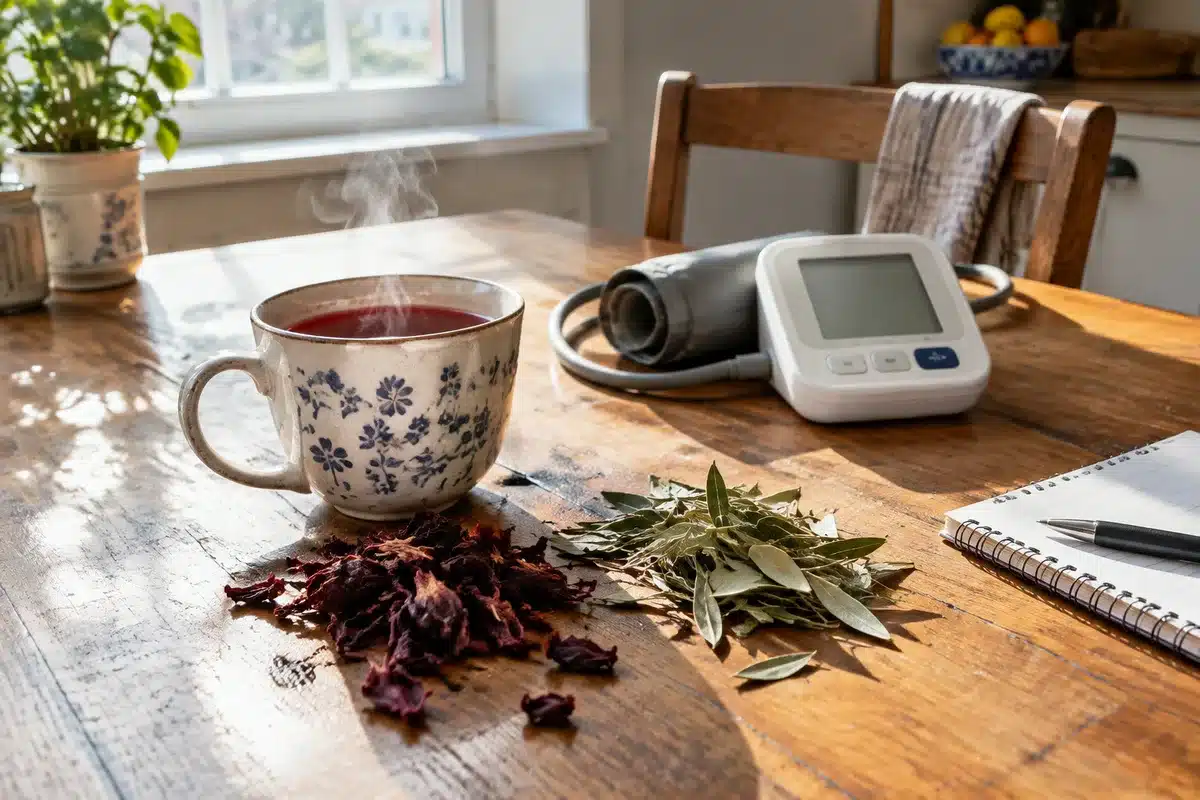
– Olive leaf tea: contains oleuropein, a compound thought to promote blood vessel dilation.
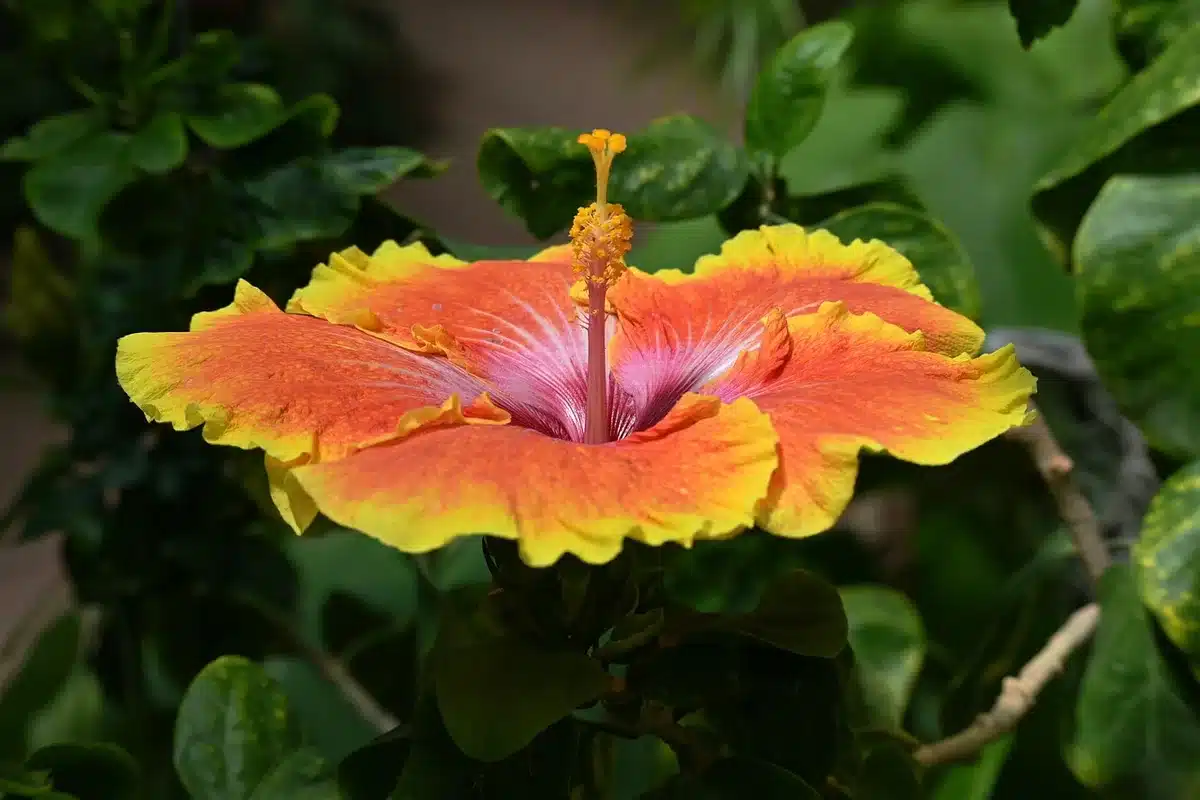
– Hibiscus tea: rich in anthocyanins and vitamin C; trials report blood-pressure reductions when people drink about 2–3 cups daily over several weeks.
– Hawthorn (crataegus): traditionally used to calm the heart, it may ease palpitations and help with stress-related symptoms.
– Other calming herbs such as lemon balm and chamomile are often included for their relaxing effects rather than a direct antihypertensive action.
These infusions can be part of a preventive plan, but they don’t replace medical assessment or prescribed drugs when needed.
Safety notes: when to check with a clinician
Herbal remedies are not risk-free. If you are already taking medication for high blood pressure, are pregnant, breastfeeding, have allergies, or take other prescribed drugs, consult your healthcare provider before adding regular herbal teas — interactions and contraindications can occur. The same caution applies to anyone with significant cardiovascular risk: natural approaches should be coordinated with medical care.
Common questions answered
– Which herbal tea is most effective?
Several have shown promise: olive leaf (oleuropein) may help dilate vessels; hibiscus has the strongest trial evidence, with benefits seen after drinking 2–3 cups a day for a few weeks; hawthorn can help with stress-related palpitations. These are supportive measures rather than substitutes for medical advice.
A YouTuber bought a Bugatti on TEMU expecting luxury… but the unboxing went terribly wrong
Colonizing Mars is no longer a dream: Elon Musk unveils a historic deadline that will change everything
– How do you combine herbal teas with other prevention steps?
Treat herbal infusions as one component of a broader plan: reduce salt, eat more fruits and vegetables, include sources of potassium and omega‑3s, exercise regularly, and practise stress-management techniques. Keep measuring blood pressure and follow prescribed treatments.
– Why screen for hypertension even if you feel fine?
Because high blood pressure often produces no symptoms, many people are unaware they have it. Detecting elevated readings early — using the standard diagnostic threshold of 140/90 mmHg confirmed on repeated visits — allows for timely interventions that lower the risk of stroke, heart attack and kidney damage.
Similar Posts
- High Tension Alert: Discover Which Herbal Teas Can Truly Lower It!
- Hypertension Breakthrough: Autumn Fruit Piques Researchers’ Interest!
- Hypertension Breakthrough: Discover the Superfood That Could Change Everything!
- Hypertension Alert: This Superfood Can Naturally Lower Your Blood Pressure!
- Slash Your Blood Sugar Naturally: 8 Effective Remedies Revealed!

Doyle Renner writes about public health, medical advances, and everyday wellness. He brings complex topics to life to help readers take informed care of their health.