Exploring the Versatile World of Aloe Vera
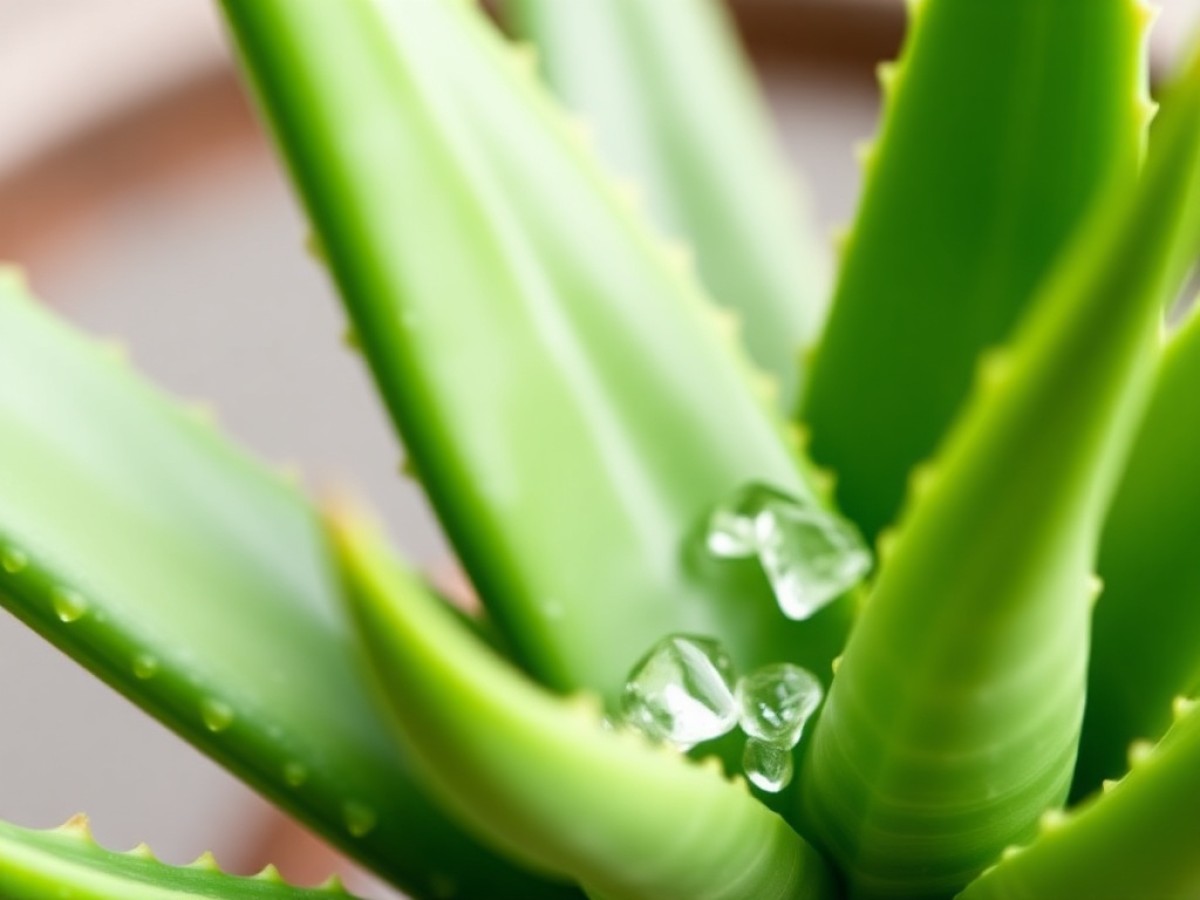
Aloe vera, a popular houseplant with a storied history of medicinal use, is not just a pretty face in the pot. This plant, known for its juicy, gel-filled leaves, has woven its way into various aspects of health and wellness, including skin care, dietary supplements, and even hair products.
Work revolution: Google reveals 90% of professionals are already using AI daily – are you one of them?
Gigantic 400-meter structures discovered beneath Antarctic ice spark heated debate among scientists worldwide
The Multifaceted Benefits of Aloe Vera
Aloe vera’s popularity primarily stems from its extensive use in skin care. Dermatologists and researchers have long suggested that aloe vera gel, which is rich in water (99%) and contains about 75 potentially active ingredients, can soothe sunburn, moisturize the skin without leaving a greasy residue, and even calm various skin irritations. The gel’s benefits are largely attributed to its compounds called polysaccharides, which help in skin repair and new cell growth.
Kenneth Mark, a certified dermatologist based in New York, explains that the soothing nature of the gel is also due to an analgesic component it contains, making it exceptionally good for treating sunburns. Beyond just soothing, aloe vera has properties that aid in treating skin conditions like cold sores and acne. David Lortscher, M.D., notes that aloe vera acts as an antiseptic and includes components such as salicylic acid, phenols, and sulfur, all known to combat fungi, bacteria, and viruses.
The utility of aloe vera extends beyond topical applications; it is a common ingredient in shampoos, makeup, and ointments. Despite its widespread use, the scientific community continues to study its full range of benefits and potential drawbacks due to the complex nature of its chemical composition, which includes over 200 different chemical compounds.
Precautions with Whole Aloe Vera Leaves
While aloe vera is beneficial, not all parts of the plant are safe for use. The French General Directorate for Competition Policy, Consumer Affairs, and Fraud Control (DGCCRF) has issued warnings about the use of whole, fresh aloe vera leaves. These warnings highlight the risks associated with the latex, a yellowish substance secreted from the plant’s outer layer. This latex contains strong laxative compounds, known as hydroxyanthracene derivatives (DHA), which can lead to severe health issues, including potential DNA damage and carcinogenic effects.
The DGCCRF advises that the safer part of the plant is the gel found in the inner leaf. However, even this gel should not be used by children or pregnant women as a precautionary measure.
Aloe vera stands as a testament to the age-old belief in natural remedies, backed by both historical use and modern science, albeit with noted precautions. Its role in health and beauty continues to be explored, promising more insights and perhaps new ways to harness its properties for wellness and healing.
Similar Posts
- Sunburn Solutions: Top 3 Effective Home Remedies!
- Soothe Sunburn Fast: Try These 3 Effective Home Remedies!
- Essential Oil Miracle: Eases Everything and You Didn’t Know!
- 6 Must-Have Medicinal Plants for Your Home Garden: Grow Your Own Natural Remedies!
- Orange Blossom Secrets: 4 Must-Know Health Benefits!

Doyle Renner writes about public health, medical advances, and everyday wellness. He brings complex topics to life to help readers take informed care of their health.