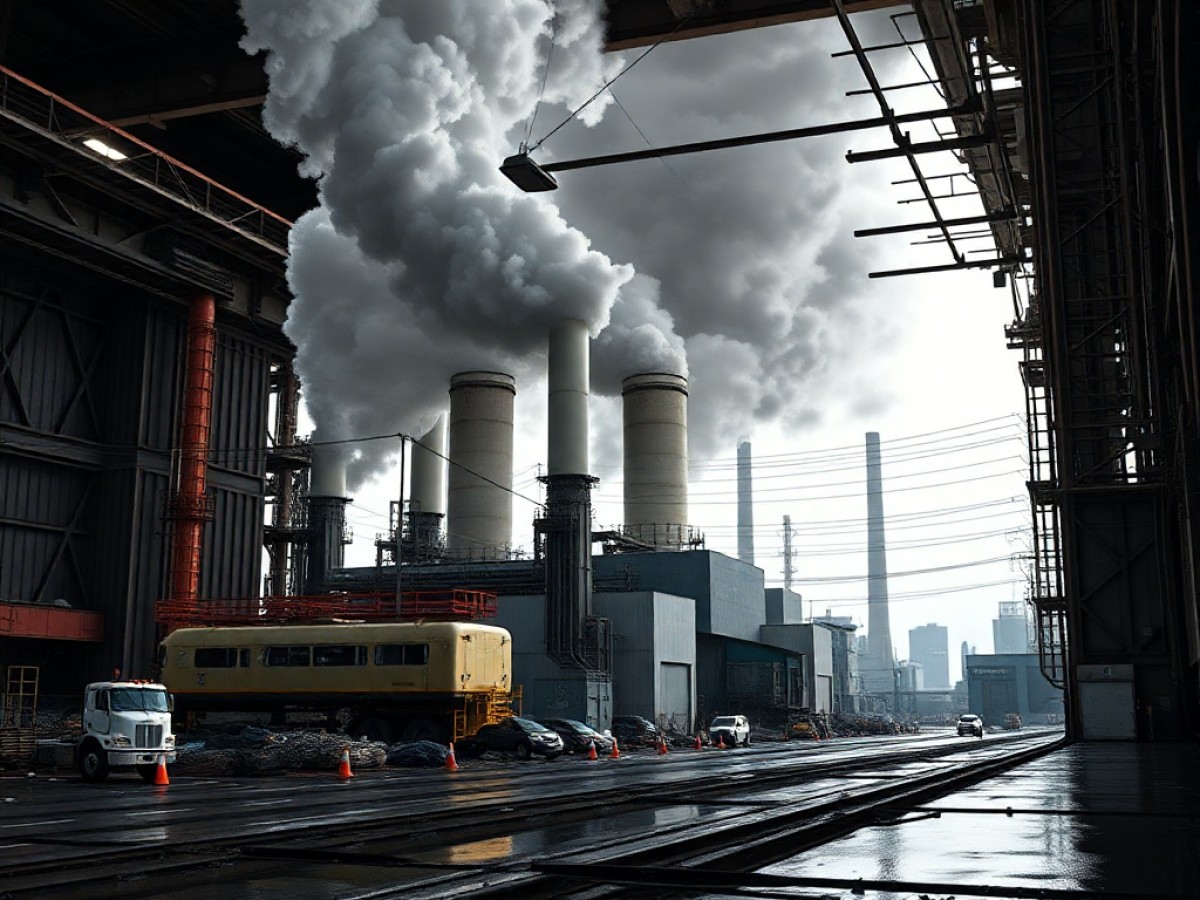
The Lingering Shadow of Fukushima: An Ongoing Struggle
Nearly a decade and a half after the catastrophic event at Fukushima, the site continues to pose significant challenges and concerns. The nuclear disaster that shook the world on March 11, 2011, continues to influence the policies, environment, and technological approaches in Japan.
Work revolution: Google reveals 90% of professionals are already using AI daily – are you one of them?
Gigantic 400-meter structures discovered beneath Antarctic ice spark heated debate among scientists worldwide
The Immediate Aftermath
The Fukushima Daiichi nuclear disaster unleashed a sequence of devastating events. Following a massive earthquake and subsequent tsunami, three reactors experienced full meltdowns, leading to significant radioactive release. This catastrophic event was etched in the global memory as images of explosions and the resulting chaos circulated worldwide. Compounding the tragedy, over 90,000 residents in the vicinity were forced to evacuate, abandoning their homes and livelihoods due to the rising nuclear threat.
Ongoing Efforts and Challenges
Managing Contaminated Water
One of the most pressing issues at the Fukushima site is the handling of radioactive water used to cool the reactors. Over the years, nearly 1.3 million tons of contaminated water have accumulated, equivalent to more than 500 Olympic-sized swimming pools. In a controversial move, Tepco, the plant’s operator, began discharging treated and diluted water into the ocean in 2024, a process expected to continue for decades. This decision, deemed safe by the Japanese government and WHO, has faced criticism from neighboring countries, including China.
The Complex Task of Fuel Removal
The removal of melted nuclear fuel presents an enormous technical challenge. By late 2024, a significant milestone was achieved when a small amount of this deadly debris was extracted using a sophisticated 20-meter-long telescopic arm. This sample, though minute, provides critical data for ongoing safety measures and decommissioning strategies. Akira Ono, the head of the decommissioning project, highlighted the importance of this advancement, noting the potential insights gained from even the smallest samples due to advanced analytical technologies.
The Path Forward: Innovations and Setbacks
Despite the slow progress and daunting tasks that lie ahead, experts like nuclear specialist Wolfgang Raskob acknowledge the necessity of Tepco’s methodical approach, which relies heavily on trial and error. The site still contains 880 tons of highly radioactive material, with only 0.9 grams successfully removed so far. The complete cleanup of the site, expected by 2051, faces significant hurdles, including the lack of suitable technology for full-scale debris removal and the absence of a long-term waste storage solution.
Energy Policy and Public Sentiment
Amidst these ongoing cleanup efforts, Japan’s stance on nuclear energy remains firm. Under the leadership of Prime Minister Sanae Takaichi, the country is constructing three new nuclear reactors, and with Tepco’s backing, plans to reactivate the world’s largest nuclear power plant. This move underscores a stark commitment to nuclear energy despite the historical catastrophe.
Community and Return
On a community level, the regions around Fukushima have been largely deemed safe, with extensive decontamination efforts reducing health risks. However, the once vibrant towns remain sparsely populated. Many former residents have chosen not to return, leaving the area with less than a quarter of its pre-disaster inhabitants.
Conclusion
The Fukushima Daiichi site remains a complex and painful chapter in Japan’s history. As efforts continue to mitigate the site’s dangers and learn from past mistakes, the world watches and learns, hoping for safer nuclear stewardship in the future.
A YouTuber bought a Bugatti on TEMU expecting luxury… but the unboxing went terribly wrong
Colonizing Mars is no longer a dream: Elon Musk unveils a historic deadline that will change everything
Similar Posts
- This student attempted to build a nuclear reactor in his backyard… The result is mind-blowing!
- Tsunami Alert Lifted in Northern Japan: Coastal Residents Breathe Sigh of Relief
- Tsunami Alert Lifted: All Clear Issued with Caution
- Oklo Stock Surge: Is Now the Perfect Time to Buy?
- Centrus Energy Stock Skyrockets: Discover the Surprising Reasons Behind This Week’s Surge!

Lowell Hagan closely follows international affairs. From geopolitical conflicts to economic cooperation, he provides context to help readers better understand global dynamics. His clear, structured style gives meaning to global news.