Japan’s Recent Seismic Activity: A Comprehensive Overview
An intense earthquake with a magnitude of 7.7 has recently shaken the northern regions of Japan. This seismic event, initially reported as a magnitude of 7.4, was later updated to 7.7 by the Japan Meteorological Agency (JMA). Its epicenter was pinpointed approximately ten kilometers beneath the Pacific Ocean’s surface, northeast of Iwate Prefecture.
Work revolution: Google reveals 90% of professionals are already using AI daily – are you one of them?
Gigantic 400-meter structures discovered beneath Antarctic ice spark heated debate among scientists worldwide
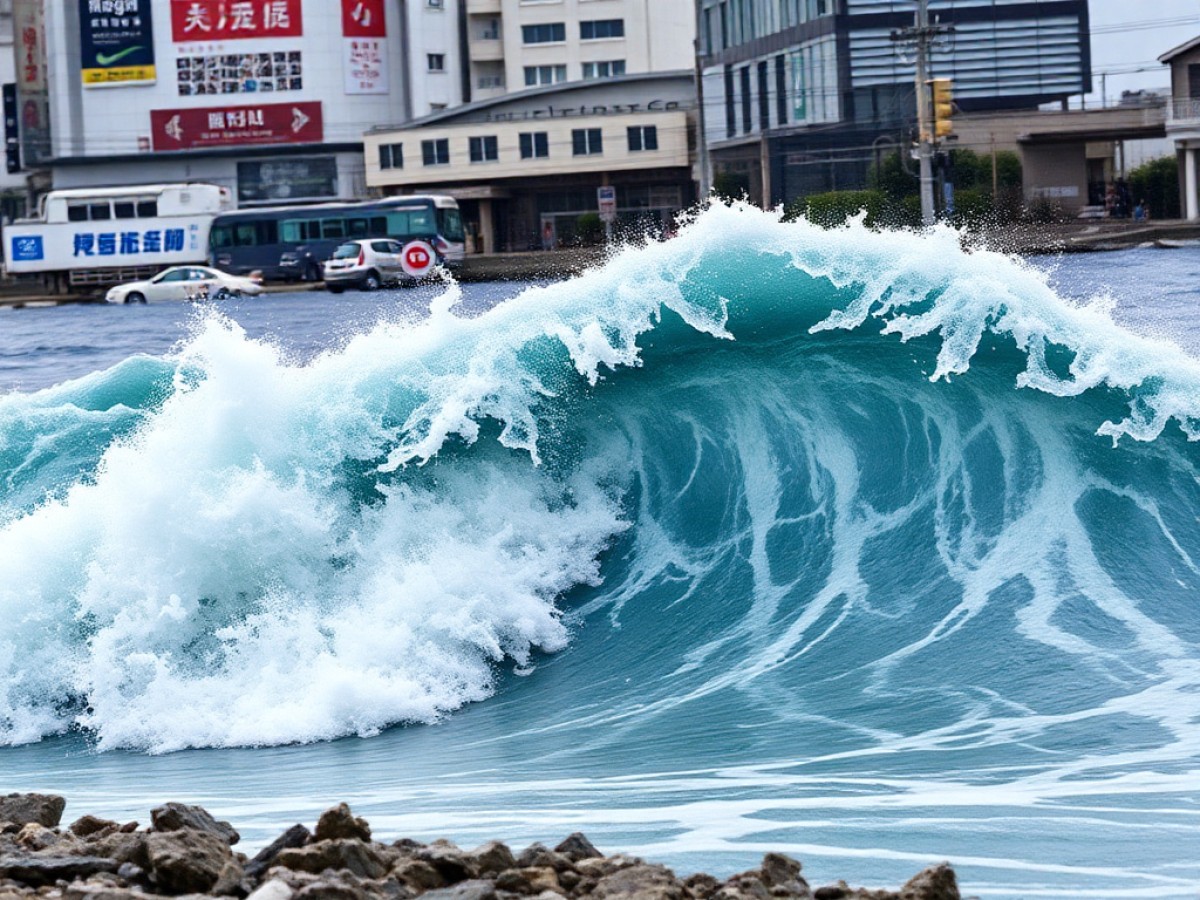
In the wake of the earthquake, a tsunami warning was issued for the Pacific coast of several prefectures including Hokkaido, Aomori, and Iwate. Authorities warned of potential waves reaching up to three meters in height. However, by the evening, the tsunami warning was lifted, though smaller waves had been observed at various locations. For instance, an 80-centimeter wave was recorded at Kuji port in Iwate Prefecture.
Impact and Immediate Responses
The tremors were felt even in Tokyo, hundreds of kilometers away from the epicenter. In response to the seismic activity, precautionary measures were swiftly enacted. Approximately 170,000 residents across five prefectures were advised to evacuate due to the risk posed by potential structural damage, especially to unreinforced concrete walls.
Transportation was also significantly affected. The earthquake led to the suspension of high-speed train connections in Aomori, located at the northern tip of Honshu. Moreover, ships were seen leaving the port of Hachinohe in anticipation of the tsunami.
Post-Earthquake Nuclear Safety Checks
In the aftermath of the earthquake, checks were conducted in several nuclear facilities including the Fukushima Daichi ruin and nuclear power plants in Miyagi and Aomori prefectures. Fortunately, no irregularities were reported. This was crucial, given the region’s history with the 2011 earthquake and tsunami that triggered the Fukushima nuclear disaster.
Preparedness for Future Seismic Events
The JMA has indicated an increased likelihood of another significant earthquake occurring soon. They estimate a 1% chance of a major earthquake happening within the next week. In light of this, 182 communities across seven prefectures have been urged to take disaster preparedness measures. Prime Minister Sanae Takaichi has emphasized the need for readiness to evacuate in the coming days.
Japan, a nation familiar with natural disasters due to its location in a highly tectonic region, experiences about 1,500 earthquakes each year. This constant threat underscores the importance of effective emergency response and preparedness strategies.
Tsunamis, often triggered by underwater earthquakes or volcanic eruptions, pose a significant risk due to their ability to mobilize deep ocean waters. The time lag between the detection of tidal changes by a tsunami and the arrival of the largest waves can span several hours, a critical window for evacuation and response efforts.
As Japan continues to navigate the challenges posed by its seismic activity, the focus remains on enhancing safety measures, improving response strategies, and ensuring the well-being of its citizens in the face of natural disasters.
A YouTuber bought a Bugatti on TEMU expecting luxury… but the unboxing went terribly wrong
Colonizing Mars is no longer a dream: Elon Musk unveils a historic deadline that will change everything
Similar Posts
- Tsunami Alert Lifted: All Clear Issued with Caution
- Tsunami Alerts Lifted Despite Ongoing Earth Tremors: Stay Updated
- Manga’s Apocalyptic Vision Sparks Global Frenzy: What’s the Buzz About?
- Fukushima Nuclear Plant Update: How Far Have the Repairs Progressed?
- China Braces for Super Typhoon Ragasa: Key Preparations Underway

Lowell Hagan closely follows international affairs. From geopolitical conflicts to economic cooperation, he provides context to help readers better understand global dynamics. His clear, structured style gives meaning to global news.