Work revolution: Google reveals 90% of professionals are already using AI daily – are you one of them?
Gigantic 400-meter structures discovered beneath Antarctic ice spark heated debate among scientists worldwide
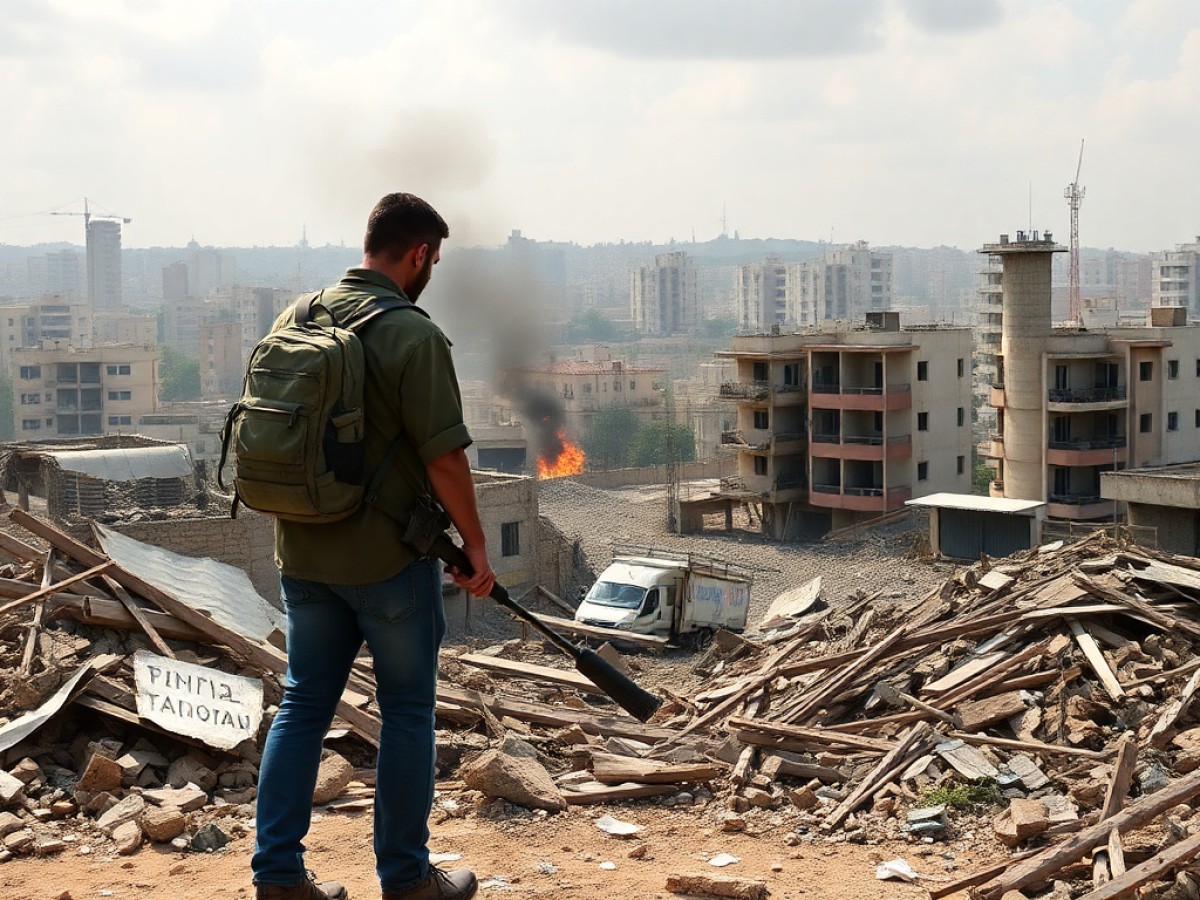
Over the past month, the Middle East has been engulfed in escalating conflict. Reports from Tel Aviv describe scenes of destruction where Iranian rocket attacks have recently intensified, leaving craters and rubble in their wake. Northern Tel Aviv, in particular, witnessed significant devastation early Tuesday morning due to parts of an Iranian rocket.
Fadida Yaniv, an officer with the Israeli police, was among the first responders at the scene of the attack. “We identified the warhead of an Iranian rocket, which exploded in the middle of the street, tearing a huge hole in the asphalt,” he explained. The attack not only shattered the street but also inflicted considerable damage to vehicles and a multi-story residential building nearby. Authorities estimate that the explosion involved about 100 kilograms of explosives, a scale of attack unprecedented in this conflict, according to experts.
Escalation and Response
In response to ongoing threats, the Iranian regime has employed heavier explosives in its recent confrontations. Initially utilizing cluster munitions that dispersed smaller explosives over a wide area, the strategy has now shifted towards deploying significantly larger bombs, particularly targeting cities in southern Israel. Over the weekend, these attacks have resulted in over 100 injuries. The news of these more potent explosives has rapidly spread, significantly straining the nerves of Tel Aviv residents.
The Human Cost of Conflict
Amid the chaos, the psychological toll on the Israeli populace is evident. In a Tel Aviv street café, Tamar shared her harrowing experience, “The bomb dropped very close to my house. Nothing feels normal anymore, and people are showing signs of post-traumatic stress.” She expressed a widespread distrust in the government, hinting at political motives behind the sustained conflict. “Prime Minister Benjamin Netanyahu benefits from the war; it keeps him from facing trial,” she suggested. “The only certain thing for us is uncertainty. It’s the worst period Israel has ever experienced.”
The Front Lines and Political Maneuvering
The Israeli military continues its advances, particularly in southern Lebanon up to the Litani River, which is approximately 30 kilometers from the Israeli border. From this strategic position, the Iran-backed Hezbollah militia has been launching frequent attacks on northern Israeli communities. Israel’s Defense Minister Katz has declared that Israeli forces will maintain control over this area for the foreseeable future. “Hundreds of thousands of residents of southern Lebanon we’ve asked to evacuate won’t return until we can ensure the security of our people at the northern border,” Katz stated.
Israeli media speculate that the captured territories in southern Lebanon might later play a critical role in ceasefire negotiations. However, such prospects seem distant at the moment. Hezbollah has vowed to resist fiercely, suggesting that tensions could escalate further, potentially leading to more severe implications for Israel.
Continuing the Struggle
The weariness and frustration with Netanyahu’s government are palpable among the Israeli public. The Prime Minister’s vague comments have repeatedly sown uncertainty, especially regarding the end of the conflict. Despite hints at a potential “agreement with Iran,” Netanyahu has confirmed ongoing offensives in Iran and Lebanon. As the battles rage on, the hope for peace remains elusive, clouded by the complexities of war and the heavy toll it exacts on all involved.
Similar Posts
- Israel Strikes Beirut Suburb Despite Ceasefire: Tensions Escalate
- Israel’s Latest Strikes in Lebanon: Death and Injury Toll Rises
- USA-Iran Tensions Escalate Despite Recent Agreement: What’s Next?
- UN Security Council Decides: UNIFIL’s Mission in Lebanon Comes to an End
- Israel Alarmed: National Security at Risk Amid Growing Threats
A YouTuber bought a Bugatti on TEMU expecting luxury… but the unboxing went terribly wrong
Colonizing Mars is no longer a dream: Elon Musk unveils a historic deadline that will change everything

Lowell Hagan closely follows international affairs. From geopolitical conflicts to economic cooperation, he provides context to help readers better understand global dynamics. His clear, structured style gives meaning to global news.