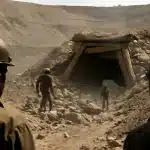
The recent resurgence of the lethal Ebola virus in the Democratic Republic of Congo (DRC) has alarmed global and local health authorities, leading to swift interventions aimed at controlling the spread. The resurgence has been confirmed in the southwestern province of Kasaï, where 15 deaths have been reported, intensifying the urgency to address this outbreak.
Work revolution: Google reveals 90% of professionals are already using AI daily – are you one of them?
Gigantic 400-meter structures discovered beneath Antarctic ice spark heated debate among scientists worldwide
The Unyielding Threat of Ebola
Ebola, known for its high mortality rate and rapid transmission through physical contact with an infected person or their bodily fluids, continues to pose a significant threat to public health. The disease’s symptoms, which include fever, vomiting, diarrhea, and severe internal and external bleeding, can lead to death if not treated promptly. According to health experts, untreated Ebola cases have a fatality rate of up to 90%.
This recent outbreak underscores the ongoing vulnerability of certain regions to virulent diseases despite advancements in medical science and preventive measures. The World Health Organization (WHO) has reported that Ebola was detected in laboratory samples taken in Kinshasa, following the death of individuals exhibiting typical symptoms of the virus. Among the deceased were four healthcare workers, highlighting the risks faced by those on the front lines of battling such outbreaks.
Response and Preparedness
In response to the outbreak, the WHO has dispatched experts and medical supplies to Kasaï, situated near the border with Angola. The main city in the province, Tshikapa, is approximately 650 kilometers from Kinshasa and serves a regional population of around one million people. The affected area is described as being a day’s travel from Tshikapa, complicating efforts to deliver aid and contain the virus.
Preventive measures have been bolstered by the availability of 2,000 doses of the Ebola vaccine, Ervebo, which are currently in stock in the country. This stockpile is part of a broader strategy to manage and hopefully curtail the spread of the virus swiftly.
Historical Context and Recent Developments
The DRC has experienced multiple Ebola outbreaks, with 15 occurrences recorded to date. The country’s last outbreak in 2022 was successfully managed within three months, according to the WHO. This quick containment contrasts with the devastating 2014-2015 West Africa Ebola outbreak, which resulted in over 11,000 deaths, underscoring the lethal potential of the virus when not effectively contained.
Additionally, neighboring Uganda recently declared an end to an Ebola outbreak in its capital, Kampala, which claimed four lives. This regional context highlights the ongoing challenges and the need for vigilance and preparedness in managing Ebola outbreaks in Central Africa.
Through rapid response and international cooperation, health authorities in the DRC and global partners continue to fight against the spread of Ebola, aiming to prevent a repeat of past epidemics that have caused widespread loss and suffering.
Similar Posts
- Uganda Seals Off Border With Democratic Republic of Congo: Tensions Rise
- Daily Burials: The Grim Reality of Our Times Revealed
- WHO Chief Urges Increased Efforts in Battle Against Ebola: Global Action Needed
- Rising Fear Among People: Unveiling the Causes Behind the Growing Anxiety
- Mass Extinction Looms: Experts Warn of Global Crisis
A YouTuber bought a Bugatti on TEMU expecting luxury… but the unboxing went terribly wrong
Colonizing Mars is no longer a dream: Elon Musk unveils a historic deadline that will change everything

Lowell Hagan closely follows international affairs. From geopolitical conflicts to economic cooperation, he provides context to help readers better understand global dynamics. His clear, structured style gives meaning to global news.