A Glimpse into the Lives of Sudanese Refugees in the Central African Republic
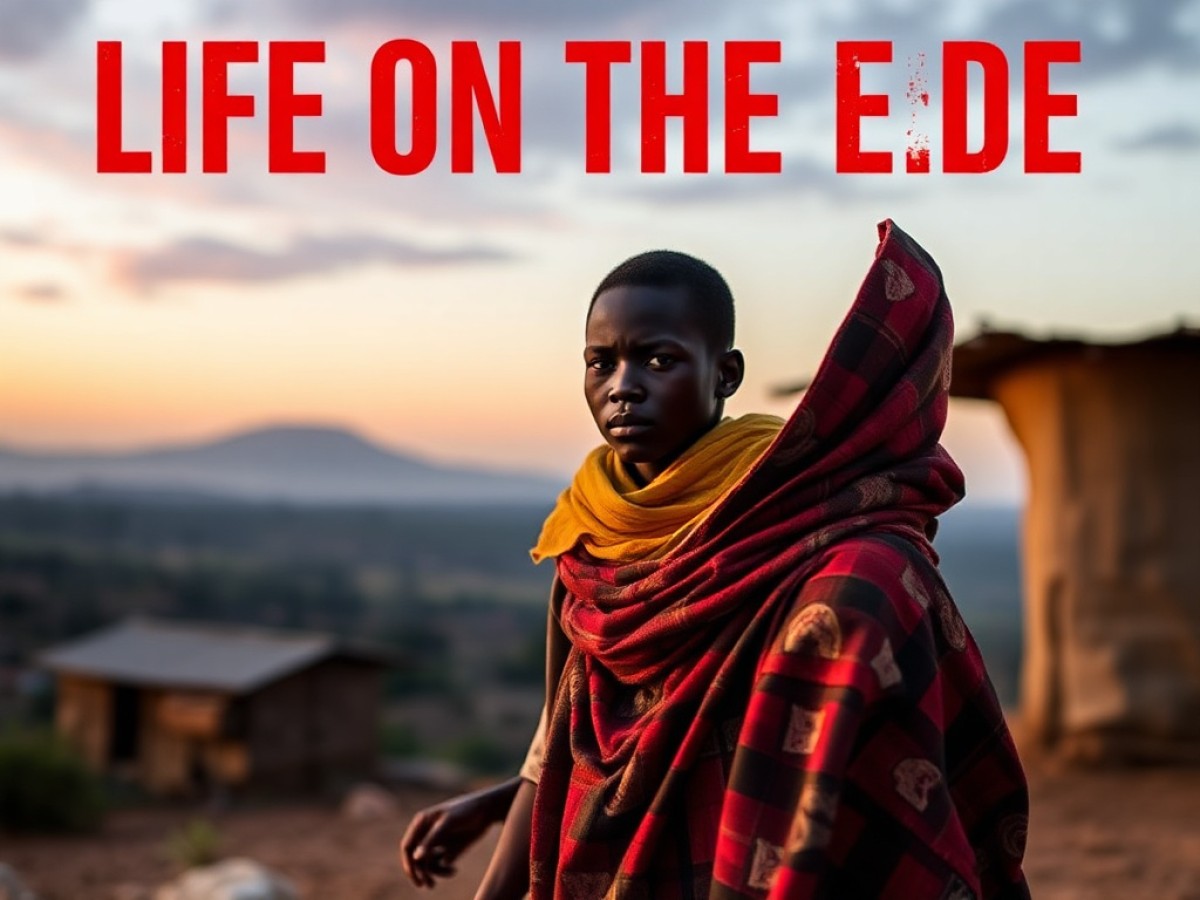
Three years into the Sudanese conflict, tens of thousands have fled to one of Africa’s most impoverished and perilous nations, the Central African Republic. Among those seeking refuge is Radija Adam, who left her hometown of Nyala in South Darfur. The war not only separated her from her home but also from her mother, whose whereabouts remain unknown.
Work revolution: Google reveals 90% of professionals are already using AI daily – are you one of them?
Gigantic 400-meter structures discovered beneath Antarctic ice spark heated debate among scientists worldwide
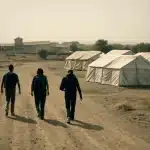
Radija’s only remaining family is her aunt, with whom she crossed borders nearly two years ago to reach the refugee camp in Korsi, Birao. This camp—home to about 26,000 Sudanese refugees, primarily women and children—differs from typical refugee camps. Instead of tents and makeshift shelters, Korsi resembles a small town complete with stone houses and a bustling marketplace.
Life in Korsi: A Town Within a Camp
The camp structures, funded by international aid, include homes made of stone. Radija and her relatives, a family of ten, share one such home, surrounded by a fence made from branches. Their front yard houses a small fire pit for cooking. Despite the semblance of normalcy, life in Korsi is challenging. The family survives on odd jobs and a monthly stipend of about 76 euros, which is hardly sufficient due to rising food prices.
Dr. Lezin Ngonzo, a local physician, depicts a dire picture of health conditions within the camp. He primarily treats mothers and young children, many of whom suffer from malnutrition. The scarcity of basic necessities like food and clean water exacerbates their plight, with refugees waiting hours to collect water.
International Aid Cuts: A Crisis Worsening
The dire situation is further aggravated by significant cuts in international aid. Marie Justine Mamba Ibingui from the UNFPA highlights the impact of these cuts, noting that funding has halved, severely affecting healthcare services and leading to project shutdowns. The cessation of free medical services for pregnant women and the disappearance of psychological support centers for trauma victims, primarily funded by the now-dissolved USAID, are particularly concerning.
With the reduction in aid, projects like the one providing a haven for hundreds of women who suffered sexual violence during the war have been dismantled, leaving behind only empty spaces and dwindling hope.
The Irony of Abundance: Rich in Resources, Poor in Peace
The Central African Republic, despite being rich in resources like gold, diamonds, and minerals, ranks among the poorest on the continent. Continuous conflict since 2013, when predominantly Muslim rebels overthrew the government, has led to a fragile state marked by violence and insecurity. The current president, Faustin-Archange Touadéra, relies on Russian mercenaries to combat armed groups and maintain control over the lucrative mines.
The ongoing violence results in frequent casualties, increased use of explosive devices, and continuous disruptions like roadblocks and curfews. The precarious security situation necessitates UN protection for any movements within the country, especially towards the volatile northeastern regions near the Sudanese border.
The Lingering Impact of War
Radija Adam reflects on her experiences, marked by trauma and loss. She suffers from panic attacks at the sight of armed fighters, a fear that persists despite medical intervention. Her story is a stark reminder of the enduring human cost of conflict. As long as the war rages in Sudan, she and many others have no choice but to remain in the Central African Republic, living a life marked by uncertainty and hardship, yet clinging to the hope of eventual return to a peaceful homeland.
A YouTuber bought a Bugatti on TEMU expecting luxury… but the unboxing went terribly wrong
Colonizing Mars is no longer a dream: Elon Musk unveils a historic deadline that will change everything
The narrative of Sudanese refugees in the Central African Republic is one of resilience amid adversity, a testament to the human spirit’s capacity to endure and hope against the backdrop of ongoing conflict and diminishing international support.
Similar Posts
- World’s Largest Migration Crisis Unfolds: Urgent Insights and Developments
- The Brutality of Conquerors: Unveiling Historical Atrocities
- Sudan’s Forgotten Genocide: Why is the World Turning a Blind Eye?
- At Least 50 Dead Off Libya’s Coast: Tragic Maritime Disaster Unfolds
- Rising Fear Among People: Unveiling the Causes Behind the Growing Anxiety

Lowell Hagan closely follows international affairs. From geopolitical conflicts to economic cooperation, he provides context to help readers better understand global dynamics. His clear, structured style gives meaning to global news.