Work revolution: Google reveals 90% of professionals are already using AI daily – are you one of them?
Gigantic 400-meter structures discovered beneath Antarctic ice spark heated debate among scientists worldwide
The Human Cost of Conflict: A Family’s Harrowing Escape
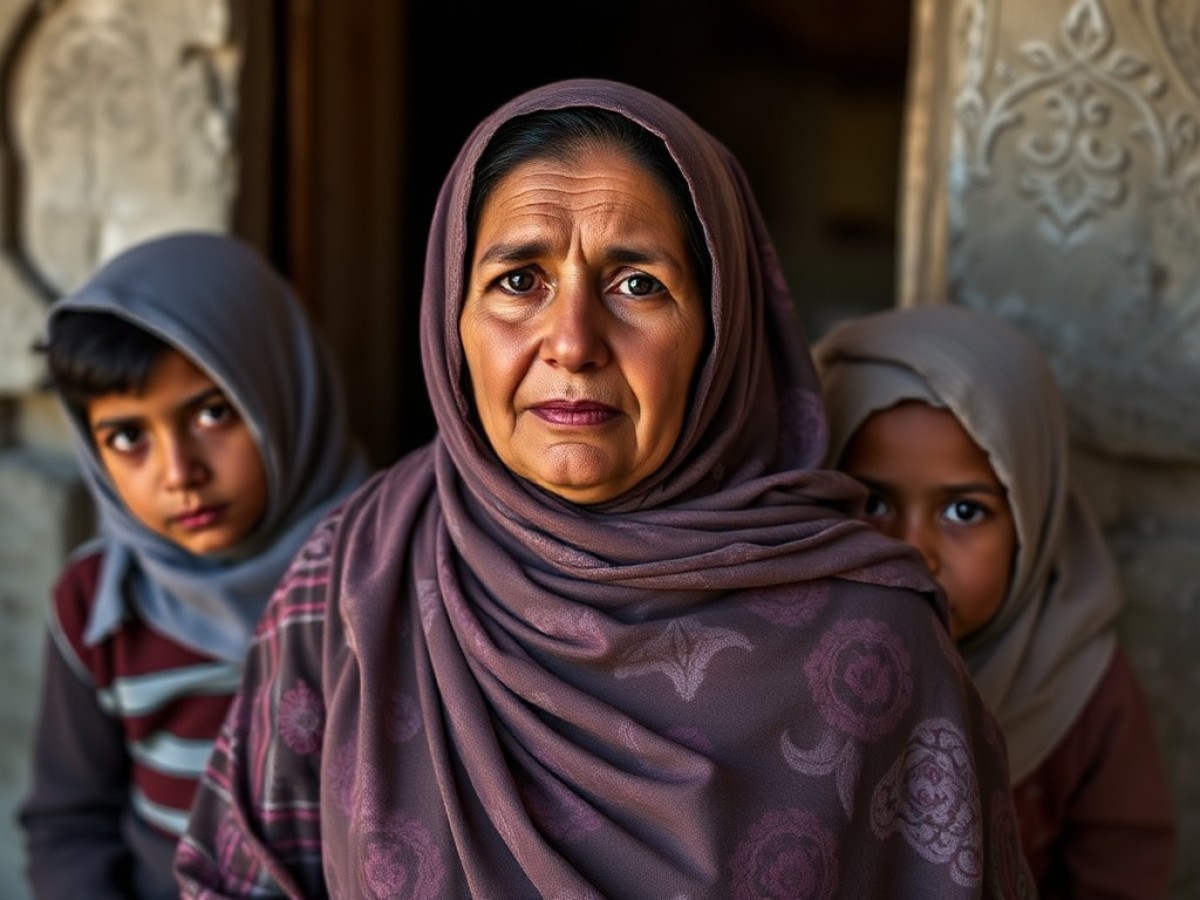
In October 2025, Mahasen Fadl embarked on a perilous journey on foot with her seven children, fleeing the violent clashes and massacres in Al-Fashir, located in Sudan’s western region of Darfur. Amidst the chaos, she lost track of her husband, who was last seen being shot by the Rapid Support Forces (RSF) militia.
A Mother’s Agony
A YouTuber bought a Bugatti on TEMU expecting luxury… but the unboxing went terribly wrong
Colonizing Mars is no longer a dream: Elon Musk unveils a historic deadline that will change everything
Mahasen’s ordeal reached a heartbreaking peak when her two-year-old daughter, Asawir, succumbed to injuries from a shrapnel wound. “I carried her in my arms as she bled out until she died. We buried her in a village east of Al-Fashir before continuing our escape,” Mahasen recounted, her voice heavy with grief.
Amidst War, a Conference in Berlin Seeks Solutions
The international community has not remained silent on Sudan’s crisis. A conference held in Berlin aimed to address what the United Nations has declared the largest humanitarian catastrophe of our time, triggered by the war that began three years ago between the Sudanese army and the RSF. Despite these efforts, the situation on the ground remains dire and complex.
Witness to Atrocities
The violence that Mahasen witnessed in Al-Fashir is a stark reminder of the war’s brutality. “I saw RSF fighters raping girls in the streets, robbing people and stealing their money. Unspeakable things happened,” she said, detailing the horrors that forced her to flee.
Eventually, Mahasen and her surviving children reached the refugee camp in Ad-Dabba, over 1,000 kilometers north of Darfur. She described how they were largely neglected there, prompting her continued flight to Khartoum in search of safety and stability.
Grave Statistics: The Toll of War
The war, initiated by a power struggle between two generals in Khartoum, has since spread to Darfur and the south. The RSF, led by Mohammed Daglo, known as Hemedti, initially appeared to be on a victorious path supported by foreign allies like the United Arab Emirates. However, by 2025, the tide had turned. The army, under Abdel-Fattah al-Burhan, recaptured key cities, including the capital in the spring, changing the course of the conflict.
The RSF’s atrocities in Al-Fashir were particularly gruesome, with casualties estimated in the thousands, possibly reaching up to 60,000. The exact number of missing persons remains unknown, adding to the uncertainty and fear that grips the nation.
The Endless Struggle: Vows of Continued Conflict
Despite the shifting battle lines, the determination to fight remains unyielding on both sides. Hemedti’s vow to continue the conflict for “21 more years if necessary” after losing Wad Madani contrasts starkly with Army Chief Al-Burhan’s grim resolve that the “atrocities committed against our people make any form of reconciliation impossible.”
Both factions stand accused of war crimes and atrocities as international efforts to broker a ceasefire have so far failed to halt the violence.
A Nation on the Move: Over Twelve Million Displaced
The civilian population bears the brunt of the suffering. Over twelve million people have been displaced, many within their own country. Food scarcity has become a weapon of war, with nearly half of Sudan’s population of 50 million reliant on humanitarian food aid, which is often obstructed by both the militias and the army.
Mahasen’s tale of survival in Al-Fashir, where she and her children had to hide all day from shelling, resorting to eating animal feed, underscores the desperation faced by many.
Signs of Resilience Amid Ruin
In Khartoum, signs of resilience surface despite the visible scars of war. Schools are reopening, and displaced families are returning. For Mahasen, the recent news of her husband’s survival brought a rare moment of joy. “The moment he disappeared, I lost all hope. It was beautiful when we found out he was alive. The children were overjoyed to see their father again,” she shared.
Though he returned, her husband still carries shrapnel in his knee, a lasting reminder of the conflict’s enduring impact.
Similar Posts
- Families Survive on Scraps and Animal Feed: A Harrowing Reality
- World’s Largest Migration Crisis Unfolds: Urgent Insights and Developments
- Sudan’s Forgotten Genocide: Why is the World Turning a Blind Eye?
- UN Debates Horrors in Sudan: A Critical Global Discussion
- Sudan’s Capital Revives: A Slow Awakening from Turmoil

Lowell Hagan closely follows international affairs. From geopolitical conflicts to economic cooperation, he provides context to help readers better understand global dynamics. His clear, structured style gives meaning to global news.