Colonizing Mars is no longer a dream: Elon Musk unveils a historic deadline that will change everything
Gigantic 400-meter structures discovered beneath Antarctic ice spark heated debate among scientists worldwide
Updated: 21 October 2026, 13:55
Russian President Vladimir Putin met in St. Petersburg with US special envoy Steve Witkoff to talk about the war in Ukraine. During the talks Putin proposed a three-way summit involving US President Donald Trump and Chinese leader Xi Jinping, announced initial diesel deliveries to the United States, and said a detained American would be freed. The proposal drew an immediate response from Kyiv, while fighting on both sides continued overnight.
A three-way summit proposal and Kyiv’s demand to be included
Putin suggested holding a meeting with Trump and Xi Jinping, but provided no firm date or agenda. Kremlin spokespeople said there was currently no plan set, and one possible window mentioned by observers would be the APEC leaders’ summit in November.

Ukraine reacted quickly. President Volodymyr Zelenskyy insisted that any discussions about the conflict must include Ukraine directly — “there must be no talks about Ukraine without Ukraine,” his office said — signalling strong resistance to sidelining Kyiv in negotiations that would affect its future.
Why Witkoff was in St. Petersburg and what was on the table
Witkoff, who serves as President Trump’s special envoy, arrived in St. Petersburg after international discussions in Oslo earlier in the week. Those Oslo talks brought together Zelenskyy and representatives from NATO and the EU and covered possible security guarantees for Ukraine, territorial questions, sanctions, and wider European security once hostilities end.
Before beginning the session with Witkoff, Putin publicly thanked Trump for efforts to end the war and announced the planned release of an American national, Stephen Hubbard, who had been convicted in Russia in 2024 on charges that he had fought as a mercenary alongside Ukrainian forces.
A YouTuber bought a Bugatti on TEMU expecting luxury… but the unboxing went terribly wrong
Colonizing Mars is no longer a dream: Elon Musk unveils a historic deadline that will change everything
Witkoff portrayed the meeting as cautiously hopeful. He said there was a basis for a ceasefire and expressed the expectation that the sides could consider collective talks about ending the war that would include Russia, the US and — for the first time in such a format — direct Ukrainian participation. Until now, Moscow has repeatedly rejected direct negotiations involving Kyiv.
The Kremlin indicated it would review the proposals emerging from Oslo and from the talks in St. Petersburg. Interfax quoted the presidential administration as saying a breakthrough to resolve the “Ukraine conflict” was “theoretically possible,” but that much depended on decisions by Ukraine; failure to make the necessary choices, the statement warned, could worsen Kyiv’s situation.
Energy and trade moves: diesel deliveries, suspended sanctions, and fertilizer offers
Putin used the meeting to push economic outreach toward the United States. He reiterated Moscow’s interest in restoring economic ties with the US — a prospect made more feasible by recent signals from Washington. President Trump had last week said a newly approved sanctions package against Russia would be put on hold, citing “national interest.”
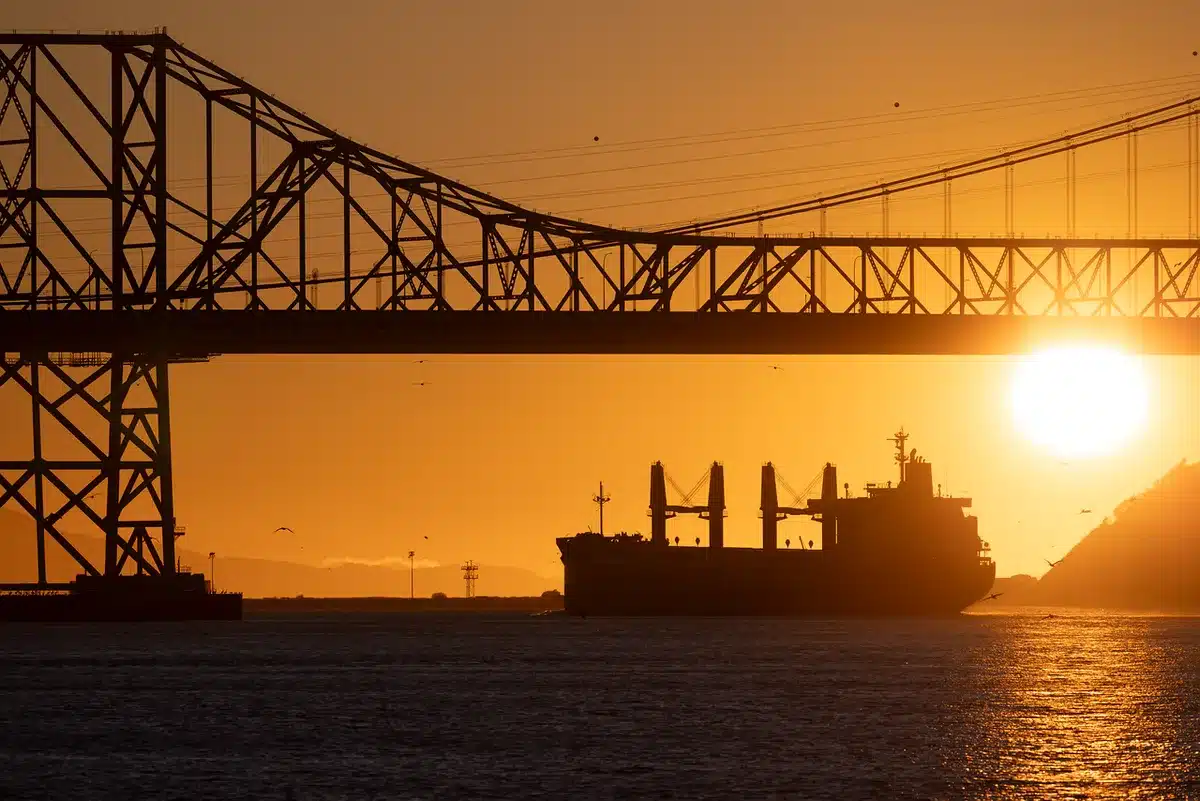
Earlier announcements from the US administration and Trump himself had suggested Moscow would supply large quantities of diesel to the United States. Putin confirmed at the St. Petersburg meeting that the first tanker carrying some 40,000 tonnes of diesel was due to depart for the US the following day. He also raised the possibility of supplying substantial amounts of fertilizer to the US market, noting shortages that have emerged since the Iran conflict and the related disruption of traffic through the Strait of Hormuz.
Rising strain between Kyiv and Washington
The evolving economic and diplomatic moves sparked sharp criticism in Kyiv. Zelenskyy accused the US of enabling Russia to continue its offensive by easing pressure and accepting fuel shipments. Ukrainian leaders have repeatedly voiced frustration about delays and shortfalls in arms deliveries — above all, systems for air defence — which they say are urgently needed on the battlefield.
Ukraine has also complained about constraints on satellite communications networks widely used by its forces. Media reports alleging throttling of services such as Starlink and Starshield have prompted Kyiv to warn that reduced connectivity hampers coordination of troops, the use of drones, and air-defence responses.
President Trump meanwhile has continued to press publicly for a negotiated end to the war, asserting that Moscow is willing to stop fighting if Kyiv accepts a “deal.” He has also argued that the United States has provided much support to Ukraine without sufficient reciprocation, remarks that have added to tensions with Kyiv.
Violence continued while diplomacy unfolded
Despite mediation efforts, attacks were reported across Ukraine during the night. Ukrainian Prime Minister Serhij Korezkyj wrote on Telegram that Russian strikes had killed at least four people: two died after a drone struck a multi-storey building in Kyiv, and two others were killed in the Kharkiv region.
Korezkyj said Russian forces had targeted energy infrastructure, rail facilities, shopping centres and residential buildings “without cease” since Tuesday evening. Regions hit included Kyiv, Volhynia, Odesa and Mykolaiv. Ukrainian authorities also reported strikes on an institution of higher education in Kremenchuk, Poltava region, injuring at least two people.
Russia’s defence ministry acknowledged strikes in Poltava and Kyiv, with state and international agencies reporting that a drone storage facility in Poltava and an electrical substation that supports defence, industrial and logistics sites in the capital were hit.
At the same time, Russian regional officials reported cross-border attacks on Russian territory. Alexander Drozdenko, governor of Leningrad region, said drones had struck in the area surrounding St. Petersburg — where the Putin–Witkoff meeting took place. Governor Yegor Kowalchuk of Bryansk reported drone strikes in his region as well, saying at least one person had been killed and two wounded.
Similar Posts
- Putin Admits to Fuel Shortages Amid Crisis: Details Inside
- Fresh Peace Talks Underway Amid Ongoing Attacks: A Dual Update
- Cautious Optimism Prevails: No Breakthrough Yet in Recent Developments
- Trump Dominates Putin: Inside the Power Play That Stunned the World
- G7 Nations Unite: New Sanctions Against Russia on the Horizon

Lowell Hagan closely follows international affairs. From geopolitical conflicts to economic cooperation, he provides context to help readers better understand global dynamics. His clear, structured style gives meaning to global news.